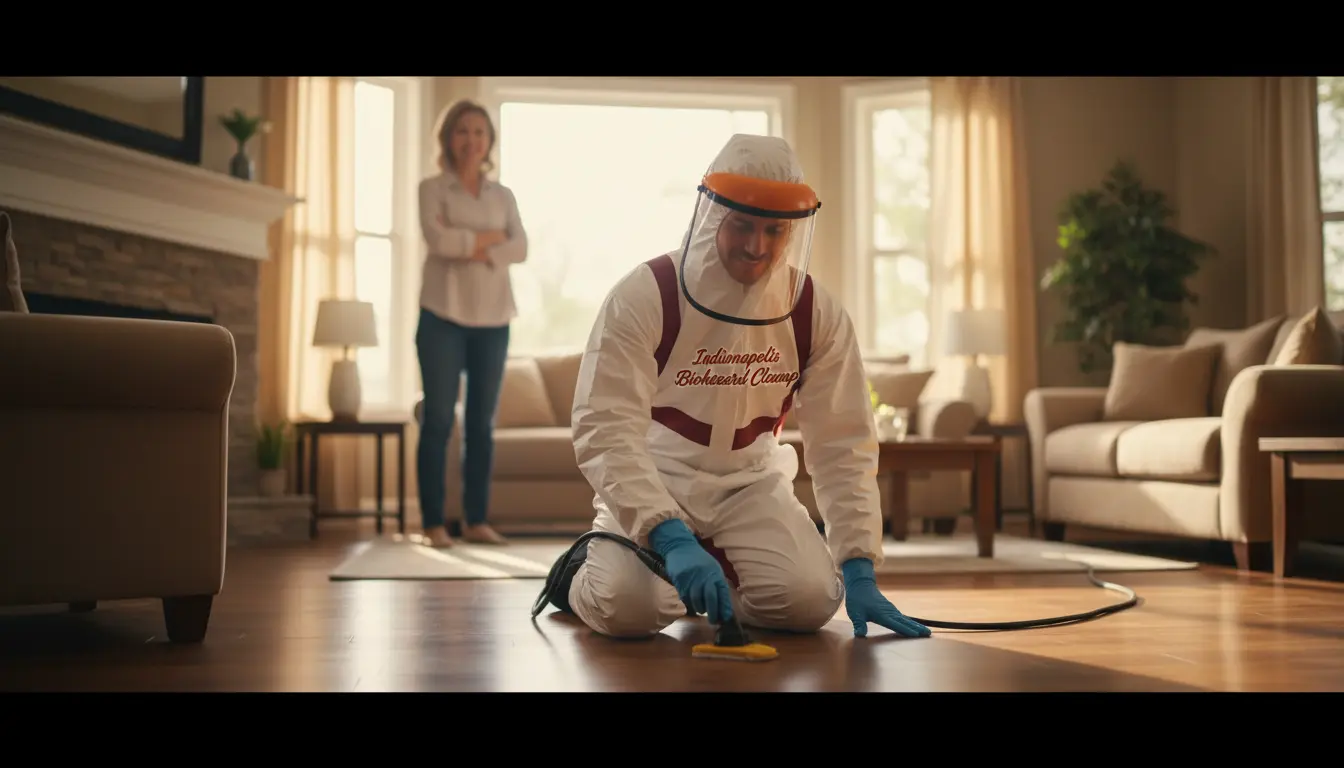
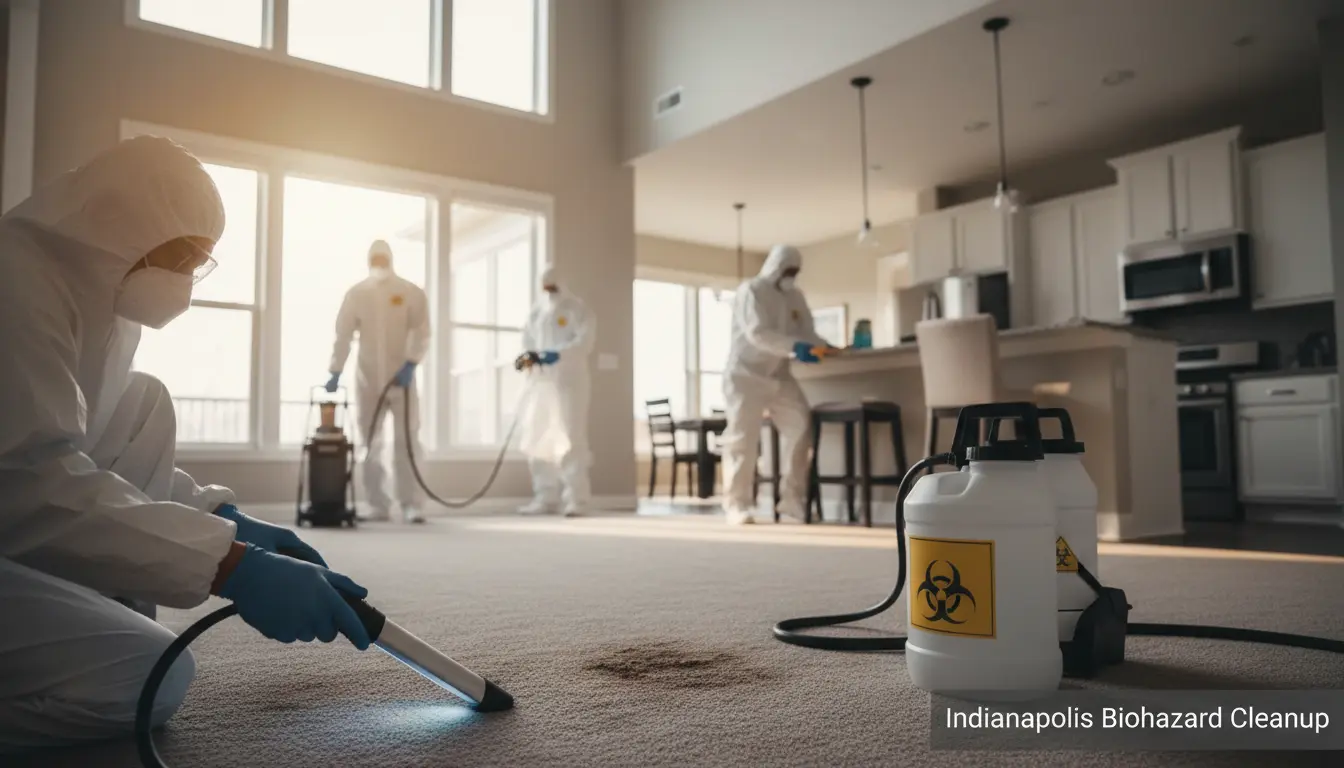
Living in the vibrant city of Indianapolis offers a mix of urban excitement and suburban comfort, but hidden dangers can lurk in your own home. From the humid summers along the White River to the occasional heavy rains that flood neighborhoods like Geist, biohazards pose serious threats to health and property. As a leading provider of biohazard cleanup services in Indianapolis, we’ve seen firsthand how these risks can escalate quickly. In this post, we’ll explore the top biohazard risks facing local homes, offer practical tips to protect your family, and explain why professional intervention is often essential. Whether you’re in the historic charm of Massachusetts Avenue or the family-friendly areas of Fall Creek Place, staying informed is your first line of defense.
Understanding Biohazards in Your Home
What Exactly Are Biohazards?
Biohazards are biological substances that threaten human health, including bacteria, viruses, fungi, and toxins produced by living organisms. In homes, they often stem from everyday incidents like leaks, pests, or accidents that go unnoticed. Unlike visible dirt, biohazards can spread silently through air, water, or surfaces, leading to respiratory issues, infections, or long-term illnesses.
In Indianapolis, where the climate swings from hot, humid summers to freezing winters, these risks are amplified. For instance, the city’s aging infrastructure in areas like Shelbyville can contribute to sewage issues, while wildlife in wooded suburbs like Franklin increases encounters with animal-related hazards. Understanding these threats is crucial for prevention.
Top Biohazard Risks in Indianapolis Homes
Indianapolis homes face unique challenges due to the city’s mix of urban density and natural surroundings. Here are the most common biohazard risks we’ve encountered in our cleanup work across the metro area.
1. Mold and Mildew Growth
Indianapolis’s humid climate, especially during spring and fall, creates ideal conditions for mold to thrive. A small leak in your roof or basement can quickly turn into a black mold infestation, releasing spores that irritate lungs and exacerbate allergies. In neighborhoods like Geist, where homes are often near water bodies, moisture from the nearby reservoir can seep into foundations undetected.
Mold isn’t just unsightly—it’s a potent biohazard. Exposure can lead to chronic coughing, skin rashes, and even neurological symptoms in severe cases. According to local health reports, mold-related calls spike after heavy rains, which are common in the Hoosier state.
2. Sewage Backups and Water Damage
Aging sewer lines in older Indianapolis districts, such as those around Massachusetts Avenue, are prone to backups. When sewage overflows into homes, it introduces harmful pathogens like E. coli and hepatitis A through contaminated water. Even a minor clog can flood basements, spreading bacteria that survive on damp surfaces for weeks.
We’ve responded to numerous emergencies in areas like Fall Creek Place, where Victorian-era plumbing meets modern usage, leading to unexpected overflows. These incidents not only damage property but also create slippery, toxic environments that require immediate decontamination.
3. Animal Waste and Infestations
Raccoons, rodents, and birds are common in Indianapolis’s green spaces and suburbs. In places like Franklin, attics become nests for these critters, leaving behind droppings loaded with histoplasmosis-causing fungi and hantavirus. Bat guano, in particular, is a growing concern in urban attics, as bats roost in structures throughout the city.
Droppings dry and aerosolize, turning into invisible airborne hazards. If you’re in a wooded area near Shelbyville, watch for signs like scratching noises or foul odors—these could signal a biohazard waiting to happen.
4. Medical and Bodily Fluid Hazards
Accidents, illnesses, or unattended deaths can leave behind blood, vomit, or other fluids that harbor pathogens like HIV, hepatitis, and MRSA. In a bustling city like Indianapolis, where homes range from single-family dwellings to apartments, these risks arise more frequently than you’d think.
For families dealing with chronic conditions or elderly relatives, proper handling is vital. Ignoring these can lead to cross-contamination, especially in high-traffic areas like kitchens or bathrooms.
5. Chemical and Pathogen Contamination from Spills
Household chemicals mixed with biological waste, such as cleaning agents reacting with sewage, can create toxic fumes. In industrial-adjacent neighborhoods, accidental spills from garages or workshops add another layer of risk. Pathogens from these mixtures can penetrate porous materials like carpets, making DIY cleanup dangerous and ineffective.
Practical Tips to Mitigate Biohazard Risks
Prevention is always better than cleanup, but knowing how to respond can save lives and property. Here are actionable steps tailored for Indianapolis homeowners:
Regular Home Inspections and Maintenance
Schedule annual inspections of your plumbing and roof, especially before the rainy season. In humid areas like Geist, use dehumidifiers in basements to keep moisture below 50%. Check attics for pest signs—seal entry points with steel wool and caulk to deter raccoons and rodents.
For those in older homes on Massachusetts Avenue, consider upgrading to modern sewer lines. Simple habits like cleaning gutters twice a year can prevent water damage that leads to mold.
Safe Cleanup Practices for Minor Incidents
If you spot mold in a small area (less than 10 square feet), wear gloves, an N95 mask, and eye protection. Mix a bleach solution (1 cup bleach to 1 gallon water) and scrub non-porous surfaces, but never mix with ammonia-based cleaners. For sewage spills, isolate the area and ventilate—avoid direct contact.
However, for anything larger or involving bodily fluids, stop immediately. Our emergency response services are designed for rapid containment in Indianapolis, ensuring safety without spreading contaminants.
Building a Biohazard Emergency Kit
Assemble a kit with disposable gloves, masks, plastic sheeting, disinfectants, and trash bags. Include a flashlight for dark basements and a first-aid kit for injuries. Educate your family on evacuation routes, especially in flood-prone spots like Fall Creek Place.
Stay informed via local alerts from the Marion County Health Department about weather-related risks. If animal waste is suspected, reference our animal waste decontamination guide for initial steps before pros arrive.
When DIY Isn’t Enough: Knowing Your Limits
Many homeowners underestimate biohazards, leading to health issues or incomplete cleanups. If you smell unusual odors, see discoloration, or experience unexplained symptoms, it’s time for experts. In Shelbyville or Franklin, where rural-urban interfaces increase wildlife risks, professional assessment prevents recurrence.
Professional Biohazard Cleanup: Why It Matters
Attempting to handle severe biohazards without training can worsen the situation. Certified teams use EPA-approved methods, including HEPA vacuums and antimicrobial treatments, to eradicate threats completely. For comprehensive restoration after biohazards, explore our property restoration cleanup options, which rebuild your home safely.
In Indianapolis, regulations require proper disposal of biohazardous waste, which pros handle compliantly. Our biohazard decontamination services follow strict protocols, from initial assessment to final sanitization, giving you peace of mind.
FAQ: Common Questions About Biohazard Risks in Indianapolis
What Should I Do If I Suspect Mold in My Home?
First, identify the source of moisture and fix it. For small patches, clean as described, but if it’s extensive or you’re symptomatic, call professionals. In humid Indianapolis spots like Geist, early detection via air quality tests can prevent escalation.
How Quickly Do Sewage Backups Become Dangerous?
Within hours, bacteria multiply in warm water. Evacuate, shut off water, and contact experts immediately. Delaying can lead to structural damage and health risks, especially in older pipes common in areas like Massachusetts Avenue.
Are Animal Droppings Really That Hazardous?
Yes—dried droppings release spores when disturbed. In wildlife-heavy zones like Franklin, avoid cleaning yourself; use our specialized pathogen decontamination process to safely remove and treat affected areas.
Can I Clean Up Blood or Bodily Fluids Myself?
No, due to infection risks. Always hire certified cleaners to avoid exposure to bloodborne pathogens. We’re available 24/7 for such incidents across Indianapolis.
How Much Does Professional Biohazard Cleanup Cost?
Costs vary by scope, but expect $500–$5,000 for typical jobs. Factors include area size and contamination level. Free estimates from Indianapolis Biohazard Cleanup help you plan without surprises.
Conclusion: Protect Your Indianapolis Home Today
Biohazards don’t discriminate—they can strike any home in Indianapolis, from bustling urban centers to quiet suburbs. By recognizing risks like mold, sewage, and animal waste, and acting swiftly with practical tips, you can minimize threats. But when the situation overwhelms, trust the experts at Indianapolis Biohazard Cleanup to restore safety and serenity.
Don’t wait for a crisis. Contact us at (317) 978-8032 for a consultation or emergency response. Serving areas from Shelbyville to Geist, we’re here to keep your home biohazard-free. Your family’s health deserves nothing less.