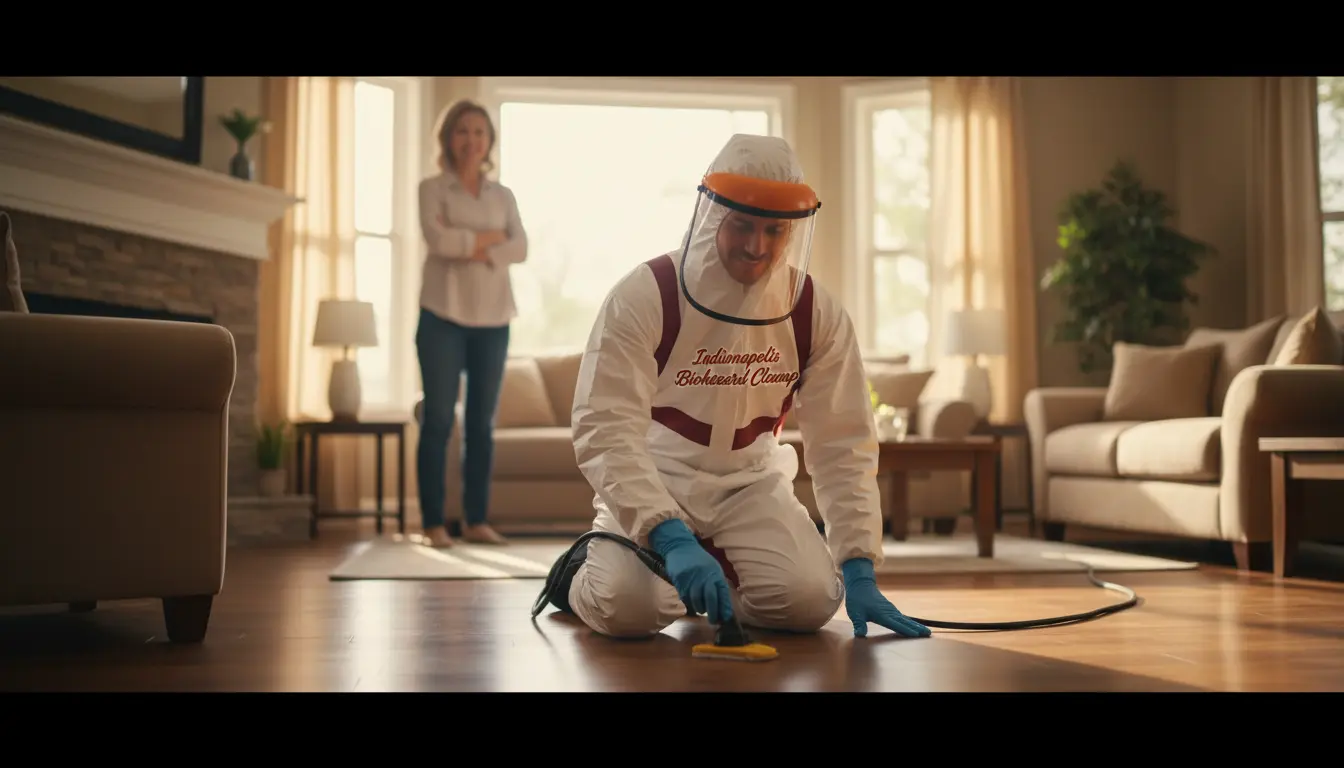
Imagine walking into your Indianapolis home after a tragic incident, only to face the invisible dangers lurking in the aftermath. Biohazards like blood, bodily fluids, or chemical spills aren’t just messes—they pose serious health risks. As a resident of Indy, whether in bustling downtown or quiet suburbs like Carmel, knowing how to handle biohazard remediation safely is crucial. At Indianapolis Biohazard Cleanup, we’ve helped countless families and businesses restore safety with our expert services. This ultimate guide will walk you through the essentials, from understanding risks to professional cleanup, ensuring you’re prepared for the unexpected.
Understanding Biohazards in Indianapolis
Biohazards are biological substances that threaten human health, including pathogens from blood, sewage, or medical waste. In a city like Indianapolis, where accidents, crimes, and natural disasters occur daily, these hazards can appear anywhere—from a vehicle crash on I-465 to a sewage backup in your Fountain Square apartment.
Common Types of Biohazards You’ll Encounter
- Blood and Bodily Fluids: Often from accidents or unattended deaths, these can spread diseases like hepatitis or HIV.
- Sewage and Mold: Flooding from heavy Indiana rains can lead to bacterial growth, especially in older homes in Irvington.
- Chemical Spills: Industrial incidents or hoarding situations in areas like Avon may involve hazardous materials.
Recognizing these early can prevent escalation. For instance, if you’ve experienced a blood spill removal situation, immediate action is key to avoiding contamination spread.
The Importance of Safe Remediation Practices
Attempting DIY cleanup without proper knowledge can worsen the situation, exposing you to toxins and legal liabilities. In Indianapolis, local regulations from the Marion County Health Department require certified handling of biohazards to protect public health.
Why Professional Help is Essential
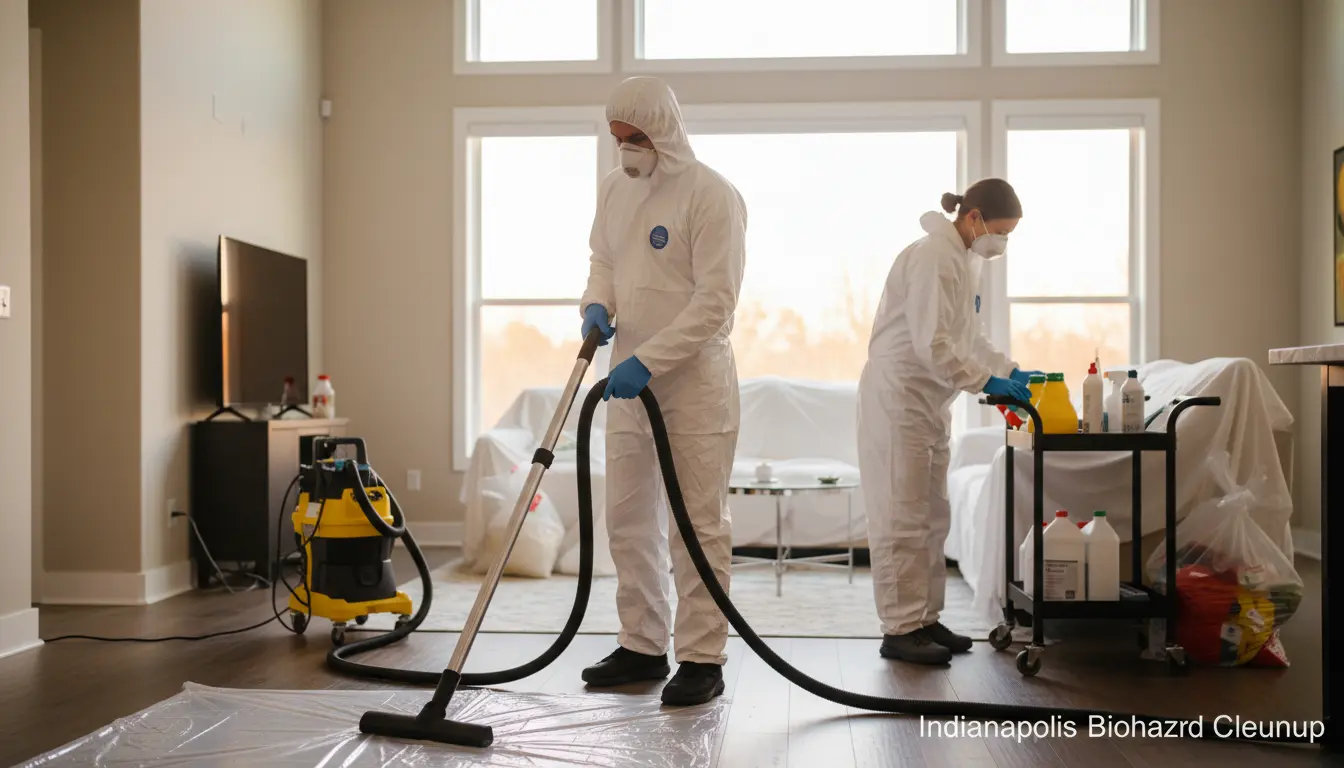
Professionals use EPA-approved disinfectants and follow OSHA guidelines, something untrained individuals can’t replicate. Our team at Indianapolis Biohazard Cleanup arrives equipped with PPE (personal protective equipment) and specialized tools, ensuring thorough decontamination. Skipping this step risks long-term health issues, like respiratory problems from mold in Noblesville basements.
Practical tip: Always isolate the area immediately. Use barriers like tape and signs to prevent family members or pets from entering, buying time until experts arrive.
Step-by-Step Guide to Safe Biohazard Remediation
Follow this structured approach to manage biohazards safely until professionals take over. Remember, this is not a substitute for expert intervention.
Step 1: Assess the Situation
Evaluate the extent of contamination without direct contact. In Indy, where urban density is high, spills in shared spaces like apartments in Fountain Square demand quick isolation to protect neighbors.
Actionable advice: Document the scene with photos for insurance claims, but avoid touching anything. If it’s a sewage backup cleanup issue, note any odors or visible mold.
Step 2: Evacuate and Secure the Area
Clear the space of people and pets. Ventilate if safe, but never in cases of chemical hazards.
Local insight: Indianapolis’s variable weather can exacerbate issues—humid summers promote bacterial growth, so act fast after storms in areas like Avon.
Step 3: Contact Professionals Immediately
Don’t delay. For 24/7 emergencies, reach out to Indianapolis Biohazard Cleanup at (317) 978-8032. Our 24 Hour Biohazard Cleanup service ensures rapid response across Indy, including Carmel and Irvington.
Tip: Provide details like the biohazard type and location to speed up the process.
Step 4: The Cleanup Process Explained
Once pros arrive, expect a multi-phase approach:
- Containment: Sealing off the area to prevent spread.
- Removal: Safely extracting hazardous materials, often using HEPA vacuums.
- Disinfection: Applying hospital-grade cleaners to kill 99.9% of pathogens.
- Deodorization and Restoration: Eliminating odors and repairing damage.
For vehicle incidents, our vehicle accident decontamination service handles interiors thoroughly, vital after crashes on Indy’s busy highways.
Step 5: Post-Cleanup Verification
Professionals test for residual hazards using ATP meters or air quality checks. In hoarding cases, which we see often in Noblesville, this ensures the space is fully safe before reoccupation.
Practical tip: Schedule follow-up inspections, especially in humid Indy climates where mold can regrow.
Practical Tips for Preventing Biohazards in Your Indy Home
Prevention is better than remediation. Here are actionable strategies tailored to Indianapolis living:
- Regular Maintenance: Inspect plumbing to avoid sewage backups, common in older neighborhoods like Irvington.
- Emergency Kits: Keep gloves, masks, and absorbents on hand for minor spills, but call pros for anything serious.
- Awareness Training: For businesses in Carmel, train staff on biohazard protocols to handle workplace incidents.
- Insurance Review: Ensure your policy covers biohazard cleanup; many Indy homeowners overlook this.
In hoarding situations, which affect families across Avon and beyond, early intervention through our hoarding situation cleanup can prevent health crises.
Local Regulations and Resources in Indianapolis
Indy follows strict state and federal rules for biohazard handling. The Indiana Department of Environmental Management (IDEM) oversees waste disposal, requiring licensed haulers.
Key Local Considerations
- Urban Challenges: High-traffic areas like downtown mean faster contamination spread; opt for services covering biohazard cleanup in Fountain Square.
- Rural-Urban Mix: In suburbs like Noblesville, agricultural chemicals add unique risks—always verify hauler certifications.
Resource: Contact the Indianapolis Fire Department for immediate hazards, then pros for remediation. For area-specific help, check our services in Carmel or Avon.
FAQ: Common Questions About Biohazard Remediation in Indy
1. How long does biohazard cleanup take in Indianapolis?
It varies by severity—minor blood spills might take hours, while extensive hoarding cleanups could span days. Our team provides timelines upfront.
2. Is biohazard cleanup covered by insurance in Indy?
Often yes, especially for accidents or crimes. Contact your provider and Indianapolis Biohazard Cleanup for assistance with claims.
3. What should I do if I suspect a biohazard in my rental property in Irvington?
Evacuate tenants if needed and call (317) 978-8032 immediately. Landlords must comply with health codes to avoid fines.
4. Can I clean small biohazards myself?
For tiny, non-infectious spills, use bleach solutions (1:10 dilution). But for anything involving blood or sewage, hire professionals to avoid health risks.
5. How does Indy’s weather affect biohazard remediation?
Heavy rains increase sewage risks; we recommend prompt action post-floods in areas like Fountain Square.
Conclusion: Protect Your Indy Home with Expert Help
Biohazard remediation doesn’t have to be overwhelming. Armed with this guide, you’re better equipped to respond safely in Indianapolis. From the vibrant streets of Carmel to the historic charm of Irvington, incidents happen—but recovery is possible with the right approach.
Don’t risk your health or your family’s. For reliable, compassionate service, contact Indianapolis Biohazard Cleanup today at (317) 978-8032 or visit our site for a free consultation. We’re here 24/7 to restore safety and peace of mind in your Indy community.