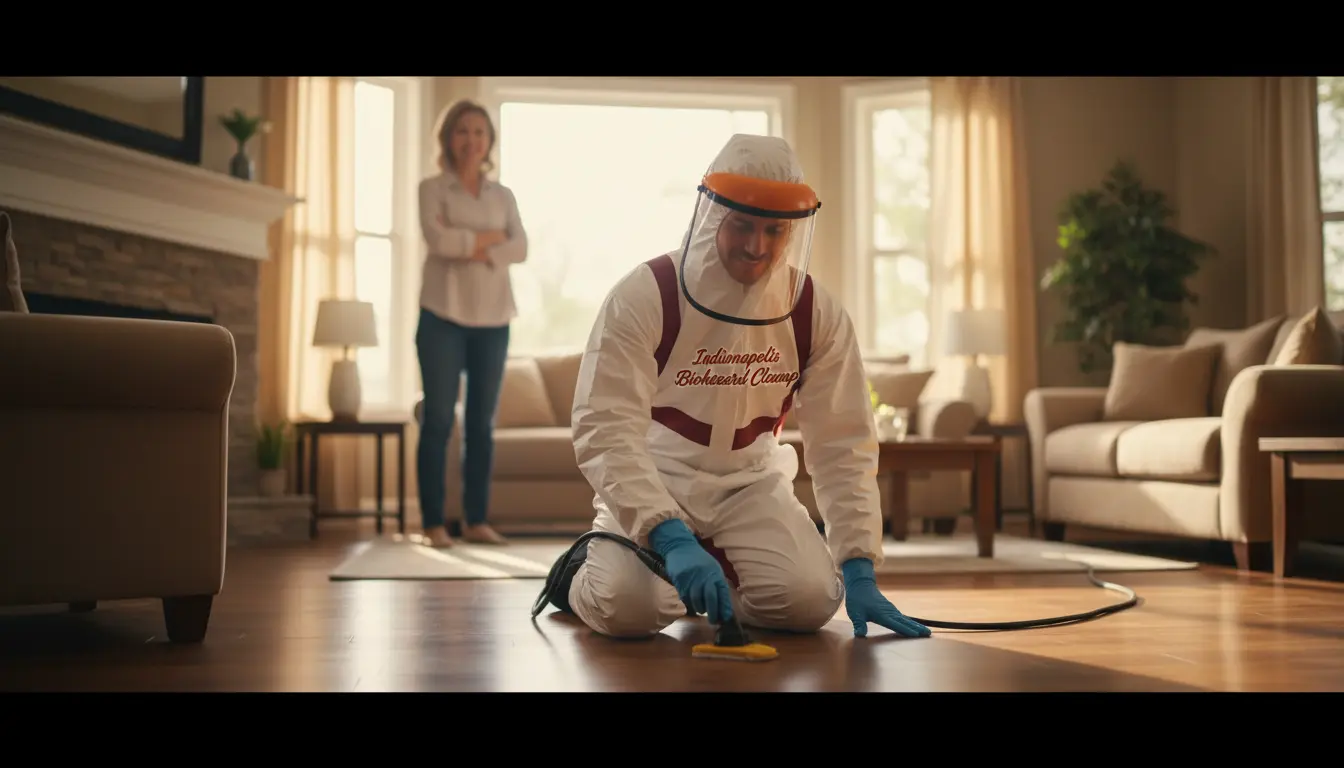
You have just discovered a scene that demands professional biohazard cleanup. The mistake you might be making right now is trying to handle it yourself or calling the cheapest janitorial service. The cost of that error is measured in health risks, property devaluation, and legal liability. In Indianapolis, where historic homes with porous brick and wood floors are common, improper cleanup can lead to permanent structural damage and lingering odors that no amount of air freshener can mask.
Finding discreet and compassionate biohazard cleanup services near me is not just about convenience—it is about protecting your family, your property, and your peace of mind. Whether you are dealing with an unattended death, a violent crime scene, or a hazardous waste spill, the right remediation team follows strict OSHA and IICRC protocols to ensure complete safety. Indianapolis Biohazard Cleanup is the premier, locally trusted provider that combines technical expertise with genuine empathy during your most difficult moments.
Why Professional Biohazard Remediation Is Non-Negotiable in Indianapolis
Indianapolis experiences wide seasonal swings—from humid summers that accelerate decomposition to freezing winters that can trap biological fluids in subflooring. Standard residential cleaning crews lack the training, equipment, and regulatory knowledge to handle bloodborne pathogens, tissue decomposition, or chemical spills. Attempting a DIY cleanup exposes you to hepatitis B, HIV, and other infectious agents, and it can void your homeowners insurance if the job is not documented per industry standards.
Professional remediation begins with a risk assessment, then proceeds through containment, removal, sanitization, and verification. Each step is designed to eliminate cross-contamination and restore the property to a safe, habitable condition. For properties in historic neighborhoods like Irvington or Meridian-Kessler, this process often includes careful sub-floor remediation to preserve original materials without compromising safety.
The Technical Process: A Step-by-Step Remediation Workflow
Initial Risk Assessment and Site Preparation
Every job starts with a thorough evaluation of the affected area. Technicians use moisture meters, thermal imaging cameras, and ATP fluorescence testing to identify hidden biological seepage. This step is critical in older Indianapolis homes where porous materials may have absorbed fluids into walls, flooring, and even HVAC systems. The team then establishes a containment zone using negative air machines to prevent airborne pathogens from spreading to other parts of the property.
Personal Protective Equipment and Biohazard Removal
All crew members must be trained in OSHA Bloodborne Pathogens Standard 29 CFR 1910.1030. They wear full-body Tyvek suits, N100 respirators, face shields, and puncture-resistant gloves. Physical removal involves carefully collecting all biohazardous materials—including blood, tissue, and bodily fluids—using specialized enzyme treatments that break down organic matter at the molecular level. These materials are placed in red biohazard bags and transported to a licensed incineration facility.
Chemical Sanitization and ATP Testing
After visible material is removed, the area undergoes a multi-step cleaning process using EPA-registered hospital-grade disinfectants. Technicians apply them with electrostatic sprayers to ensure even coverage on all surfaces. The final step is adenosine triphosphate (ATP) testing, which measures residual organic matter. If ATP levels exceed the industry threshold, re-cleaning occurs until the site is microbiologically safe. This is far beyond what a standard janitorial crew can achieve.
Professional Remediation vs. Standard Residential Cleaning
| Feature/Metric | Professional Biohazard Remediation | Standard Residential Cleaning |
|---|---|---|
| Regulatory Compliance | OSHA, EPA, IICRC S540, and local Marion County health codes | None |
| Pathogen Elimination | Hospital-grade disinfectants, ATP testing, bacterial containment | Household bleach (ineffective against many pathogens) |
| Structural Assessment | Moisture meters, thermal imaging, sub-floor and wall reconstruction | Visual inspection only |
| Waste Disposal | Licensed biohazard incineration per federal and state regulations | Dumpster or landfill (illegal for biohazard waste) |
| Odor Removal | Negative air scrubbers, ozone treatment, enzyme odor neutralizers | Air fresheners or simple ventilation |
| Insurance Documentation | Detailed chain-of-custody and cleaning logs accepted by insurers | No documentation |
Expert Insights: Advanced Diagnostic Tips for Property Owners
Detecting Hidden Biological Seepage
Biological fluids can migrate through gaps in hardwood floors, baseboards, and drywall. A professional technician uses a blacklight and ATP swabs to locate invisible contamination. In Indianapolis homes with plaster and lath walls, fluids can travel behind the surface, causing odor pockets that may not be obvious for weeks. If you detect a musty smell after a cleanup, do not assume it is gone—call for a verification test.
Why Porous Materials Require Replacement, Not Cleaning
Concrete, wood, and drywall are porous. When biological matter soaks into these materials, it cannot be fully sanitized no matter how much disinfectant is applied. The only safe option is removal and replacement. For example, a stained hardwood floor in a historic home may need to be cut out and replaced with matching material, not just sanded and sealed. Cutting corners here leads to future health risks and recurring odors.
The Importance of Negative Pressure to Prevent Cross-Contamination
Without negative air pressure, airborne pathogens can travel through vents and doorways, contaminating clean areas of the property. Professional teams set up a containment zone with a negative air machine that exhausts air through HEPA filters to the outside. This is especially important in multi-unit buildings like apartments in downtown Indianapolis, where a single incident could affect neighbors.
Common Mistakes Property Owners Make
Using household bleach on biological matter is the most frequent error. Bleach can actually cause blood proteins to coagulate, making it harder to remove and leaving behind a residue that can still harbor pathogens. Another mistake is waiting for the odor to dissipate naturally. Decomposition gases are not only unpleasant—they are flammable and toxic. Finally, allowing untrained personnel into the site before professional cleanup breaches safety protocols and can spread contamination. The consequences include long-term health risks, structural damage that reduces property value by 20% or more, and potential legal liability if someone is exposed.
Pricing: What to Expect for Biohazard Remediation in Indianapolis
- Standard site mobilization fee: $200–$500, depending on the distance from the service provider’s base in Marion County. This covers the transport of equipment, PPE, and disposal containers.
- Hourly remediation rates: $150–$300 per hour per technician. Most jobs require a team of two to three technicians for 4–8 hours, depending on the size of the affected area.
- Specialized disposal of biohazardous waste: $50–$150 per pound for incineration, based on the weight of contaminated materials. A typical unattended death scene can generate 50–200 pounds of waste.
- Structural material replacement: Costs vary widely, but replacing contaminated drywall, flooring, and subflooring can add $1,000–$5,000 or more. For historic homes with plaster walls, custom restoration increases the price.
- HVAC decontamination: If the HVAC system is involved, a separate service may be needed, costing $500–$2,000 for duct cleaning and sealing.
Safety and Standards: Certifications That Protect You
Reputable biohazard cleanup companies in Indianapolis hold certifications from the IICRC (institute of Inspection, Cleaning and Restoration Certification) in trauma and crime scene cleanup. They also comply with OSHA Bloodborne Pathogens Standard 29 CFR 1910.1030, which mandates proper training, vaccination, and use of PPE. Additionally, they follow EPA guidelines for disinfectant use and work with authorized waste management services that are licensed to transport and incinerate biohazardous materials.
These standards are not just bureaucratic—they have real-world consequences. For example, improper disposal of biohazard waste can lead to fines from Marion County health authorities and increase the risk of disease transmission to sanitation workers. By choosing a certified team, you ensure that every step is documented, insured, and compliant with local, state, and federal laws.
Frequently Asked Questions About Unattended Death Remediation
What happens to a home after an unattended death?
After an unattended death, decomposition begins immediately, and fluids can seep into porous materials. Professional remediation involves removing all biohazardous materials, sanitizing the area, and restoring the structure. In Indianapolis, where humidity levels are high in summer, this process must be completed within 48 hours to prevent mold growth and further structural damage.
Can I stay in the home during cleanup?
For safety reasons, occupants should not be present during the remediation process. The containment zone is under negative pressure, and the use of potent disinfectants and ozone generators can be hazardous to your health. The service provider will advise you on when it is safe to return, typically after ATP testing confirms the area is pathogen-free.
How long does the cleanup take?
The duration depends on the size of the affected area and the extent of contamination. A small single-room scene may take 4–6 hours, while a larger or multi-room incident can require two to three days. In winter, ice and snow can delay access to crawl spaces or attics, adding time to the overall project.