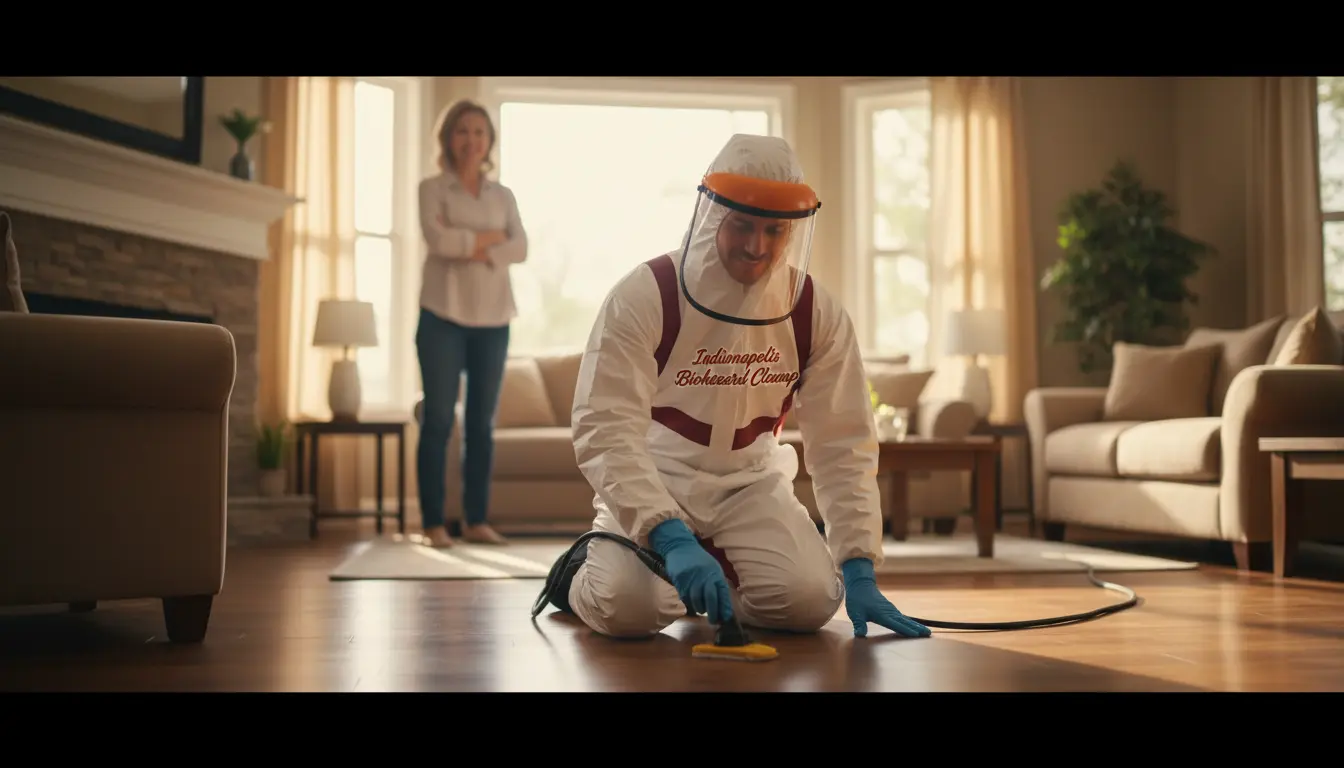
Biohazard remediation is the systematic process of safely removing, cleaning, and decontaminating environments that have been exposed to biological hazards, including bloodborne pathogens, bodily fluids, infectious waste, and other potentially dangerous organic materials. Unlike standard janitorial cleaning, which focuses on surface-level tidiness using general-purpose detergents, professional biohazard cleanup follows strict regulatory protocols governed by OSHA, the EPA, and the IICRC S540 Standard for Trauma and Crime Scene Cleanup. For businesses in Indianapolis, understanding this distinction is critical—not only for legal compliance and worker safety but also for protecting property value and community health.
Indiana winters bring extreme cold and heavy precipitation, while summer humidity can rapidly accelerate microbial growth and decomposition. These seasonal variables create unique challenges for commercial property owners facing incidents such as unattended deaths, industrial accidents, or biohazardous spills. In Indianapolis, professional remediation must account for fluctuating moisture levels, potential cross-contamination through HVAC systems, and the structural nuances of older Midwestern buildings. Indianapolis Biohazard Cleanup stands as the area’s leading authority, offering discreet, technically rigorous, and fully compliant services that restore safety and peace of mind.
The Professional Remediation Workflow: A Step-by-Step Technical Breakdown
Every biohazard remediation project follows a rigorous, science-based workflow designed to eliminate all traces of biological contamination and prevent future exposure. The process begins with a comprehensive risk assessment. Technicians evaluate the affected area, identify all potentially contaminated surfaces, and determine the scope of remediation required. For Indianapolis properties, this assessment must also consider local building codes and the possibility of hidden seepage into porous subfloors or wall cavities, especially in older structures with wooden joists and plaster walls.
Once the assessment is complete, the team establishes a containment zone using industrial-grade negative air machines. These units create negative pressure within the area, ensuring that airborne contaminants cannot escape into clean zones. All personnel then don appropriate personal protective equipment (PPE) consistent with OSHA Bloodborne Pathogens Standard 29 CFR 1910.1030. This includes fluid-resistant coveralls, full-face respirators, double gloves, and shoe covers. The next step is the physical removal of all visible biohazardous materials, which are placed into leak-proof, labeled containers for disposal according to Indiana Department of Environmental Management regulations.
Chemical Decontamination and ATP Testing
After gross removal, the entire space undergoes a meticulous cleaning process using EPA-registered hospital-grade disinfectants. These chemicals are chosen for their proven efficacy against specific pathogens, including hepatitis B, hepatitis C, HIV, and MRSA. The application method—whether by spray, fogging, or manual wipe—depends on the surface material and the level of contamination. For porous surfaces such as carpet, drywall, or untreated wood, chemical cleaning alone is insufficient; these materials often require complete removal and replacement to ensure no biological residue remains.
To verify the effectiveness of decontamination, technicians use adenosine triphosphate (ATP) fluorescence testing. This method measures the presence of organic matter on surfaces after cleaning. A reading below the acceptable threshold indicates that the area is safe for reoccupation. In Indianapolis, where humidity can cause lingering odors and microbial growth even after initial cleaning, ATP testing is a crucial step that standard janitorial services never perform. Without it, property owners risk leaving behind dangerous pathogens that can lead to long-term health issues or legal liability.
Professional Remediation vs. Standard Janitorial Cleaning: A Data Comparison
| Feature/Metric | Professional Biohazard Remediation | Standard Janitorial Cleaning |
|---|---|---|
| Regulatory Compliance | Full adherence to OSHA 29 CFR 1910.1030, EPA guidelines, IICRC S540, and local Indiana waste disposal laws | No regulatory oversight for biohazard substances; general cleaning only |
| Pathogen Elimination | 99.99% elimination of viruses and bacteria using EPA-registered disinfectants and ATP verification | Surface-level dirt removal; no validation of pathogen reduction |
| Structural Assessment | Detailed inspection for hidden contamination in subfloors, walls, and HVAC systems with moisture mapping | No structural evaluation; only visible surfaces addressed |
| Waste Disposal | Proper containment, labeling, and transport to authorized medical waste facilities | Biohazard materials sent to regular landfills, violating environmental laws |
| Odor Elimination | Industrial-grade ozone treatment, enzyme cleaners, and hydroxyl generators to neutralize odors at the molecular level | Masking with air fresheners; odor source remains |
Expert Insights: Advanced Diagnostic Techniques and Common Pitfalls
As a certified senior remediation specialist, I have seen the same mistakes repeated by property owners across Indianapolis. The first critical insight is the detection of hidden biological seepage. Blood and other bodily fluids can penetrate through cracks in concrete, migrate under baseboards, and soak into subflooring. In older Midwestern homes with wooden joists, this seepage can travel several feet away from the visible spill. Technicians use thermal imaging cameras and moisture meters to locate these hidden areas, ensuring that no contamination remains to cause rot, mold, or future health hazards.
Another common oversight is the belief that porous materials can be cleaned effectively. In reality, materials like drywall, carpet padding, and untreated wood must be removed and replaced. Trying to clean them only drives pathogens deeper into the material, creating a reservoir for microbial growth. In Indianapolis, where humidity can exceed 80% during summers, this trapped moisture accelerates decomposition and can lead to structural damage within weeks. The third diagnostic tip involves the use of negative pressure containment. Without proper air flow control, cross-contamination is almost inevitable. Pathogens can spread through HVAC ducts to other parts of the building, requiring far more extensive—and expensive—remediation later.
Common Mistakes Property Owners Make
Many business owners attempt to use household bleach to clean biohazardous spills. Bleach is not an effective disinfectant against all bloodborne pathogens, especially when diluted or applied to porous surfaces. Moreover, bleach can cause chemical reactions with bodily fluids, releasing toxic fumes and damaging the underlying material. A second mistake is waiting for odors to dissipate naturally. The smell of decomposition is caused by volatile organic compounds that persist long after the visible material is removed. These compounds indicate ongoing microbial activity and potential air quality hazards. Finally, allowing untrained employees or family members to enter the site before professional remediation is a serious safety violation. They risk exposure to hepatitis, HIV, tetanus, and other communicable diseases, and they may inadvertently spread contamination to other areas.
Pricing Factors for Biohazard Remediation Services
Costs for professional biohazard cleanup vary significantly based on several key factors. Understanding these variables helps business owners budget appropriately and avoid surprises.
- Site mobilization and assessment fees: Most remediation companies charge a base fee to cover the cost of dispatching a certified team, conducting the initial risk assessment, and setting up containment equipment. In Indianapolis, this fee typically ranges from $500 to $1,500 depending on the distance and complexity of the site.
- Hourly remediation rates: Technicians often bill by the hour for labor, which can range from $150 to $300 per hour per technician. The number of hours required depends on the size of the affected area, the volume of biohazardous waste, and the need for specialized equipment such as negative air machines or heat treatments.
- Material replacement and disposal costs: If structural materials like drywall, carpet, or subflooring must be removed and replaced, the cost increases accordingly. Disposal of biohazardous waste is also regulated and requires incineration or autoclaving, which adds $200 to $1,000 per container depending on waste volume and local facility fees. Additionally, HVAC decontamination, if necessary, can cost between $1,000 and $5,000.
Safety and Standards: Compliance as a Non-Negotiable
Adherence to established safety standards is what separates professional biohazard remediation from amateur attempts. The most critical framework is the OSHA Bloodborne Pathogens Standard (29 CFR 1910.1030), which mandates proper training, PPE, exposure control plans, and sharps disposal protocols. Every technician at Indianapolis Biohazard Cleanup holds current IICRC certification in trauma and crime scene cleanup, ensuring they are trained in the latest decontamination techniques and regulatory requirements.
Beyond individual safety, compliance protects the property owner from legal liability. Improper disposal of biohazardous waste can result in fines from the Indiana Department of Environmental Management and potential lawsuits from tenants or employees who suffer health consequences. Professional remediation also includes comprehensive documentation of the entire process, from initial assessment to final ATP testing, providing a clear record that the site is safe for reoccupation. This documentation is essential for insurance claims and property transfers.
Frequently Asked Questions About Unattended Death Remediation
What is the timeline for decomposing body fluids to cause structural damage?
Bodily fluids begin to break down immediately after death, and within 24 to 48 hours, they can seep into porous surfaces like wood, drywall, and concrete. In Indianapolis, summer temperatures above 90°F accelerate this process, causing fluids to liquefy and migrate deeper within 12 to 24 hours. Within a week, biological materials can cause permanent staining, odor absorption, and microbial growth that compromises the structural integrity of floors and walls. Professional remediation must begin promptly to minimize damage and reduce the scope of necessary reconstruction.
Can ozone generators alone eliminate odors from a death scene?
Ozone generators are effective at oxidizing odor-causing molecules in the air, but they cannot penetrate porous materials where organic residue has soaked in. The odor molecules bound to drywall, carpet padding, or subflooring will continue to release volatile compounds even after ozone treatment. Proper remediation requires a combination of physical removal of contaminated materials, thorough cleaning with enzyme-based detergents that break down biological matter, and then targeted ozone or hydroxyl treatment to address residual airborne odors. Relying solely on ozone is insufficient and can create a false sense of safety.
Is it safe to stay in the building during remediation?
No. During active remediation, the affected area is under negative pressure, and airborne pathogens may be present despite containment. The use of chemical disinfectants and ozone generators also poses respiratory risks. For the safety of occupants, the entire zone should be evacuated until the remediation team completes ATP testing and declares the area safe. In multi-unit commercial buildings, adjacent units may need to be temporarily vacated if the incident involves shared HVAC systems or if the contamination is extensive.
What happens to the biohazardous waste after removal?
All biohazardous waste is placed in red, leak-proof biohazard bags and then into rigid containers that are sealed and labeled according to Indiana regulations. The waste is transported by a licensed medical waste hauler to an authorized treatment facility, where it is incinerated or autoclaved to render it non-infectious. The disposal manifest is provided to the property owner as part of the final documentation. Improper disposal—such as mixing biohazard waste with regular trash—is a violation of federal and state environmental laws and can result in significant fines.
Professional Biohazard Remediation in Indianapolis
When a business in Indianapolis faces a biohazard incident, the stakes are high. Beyond the immediate emotional toll, property owners must navigate complex regulations, protect their employees and customers, and prevent long-term damage to their building. Attempting to handle such situations with standard cleaning supplies or well-meaning but untrained staff is not only risky—it can lead to severe health consequences, legal liability, and diminished property value. Professional biohazard remediation offers the only reliable path to full restoration.
Indianapolis Biohazard Cleanup brings decades of combined experience, IICRC-certified technicians, and a deep understanding of local conditions. From the challenges of winter ice on site access to the rapid decay rates of summer humidity, we tailor every remediation plan to the specific needs of the property. Our team works discreetly and efficiently, minimizing disruption to your business while ensuring every trace of contamination is eliminated. Whether you need immediate assistance for an unattended death, a workplace accident, or a hoarding situation, we are the trusted partner that Indianapolis businesses rely on.