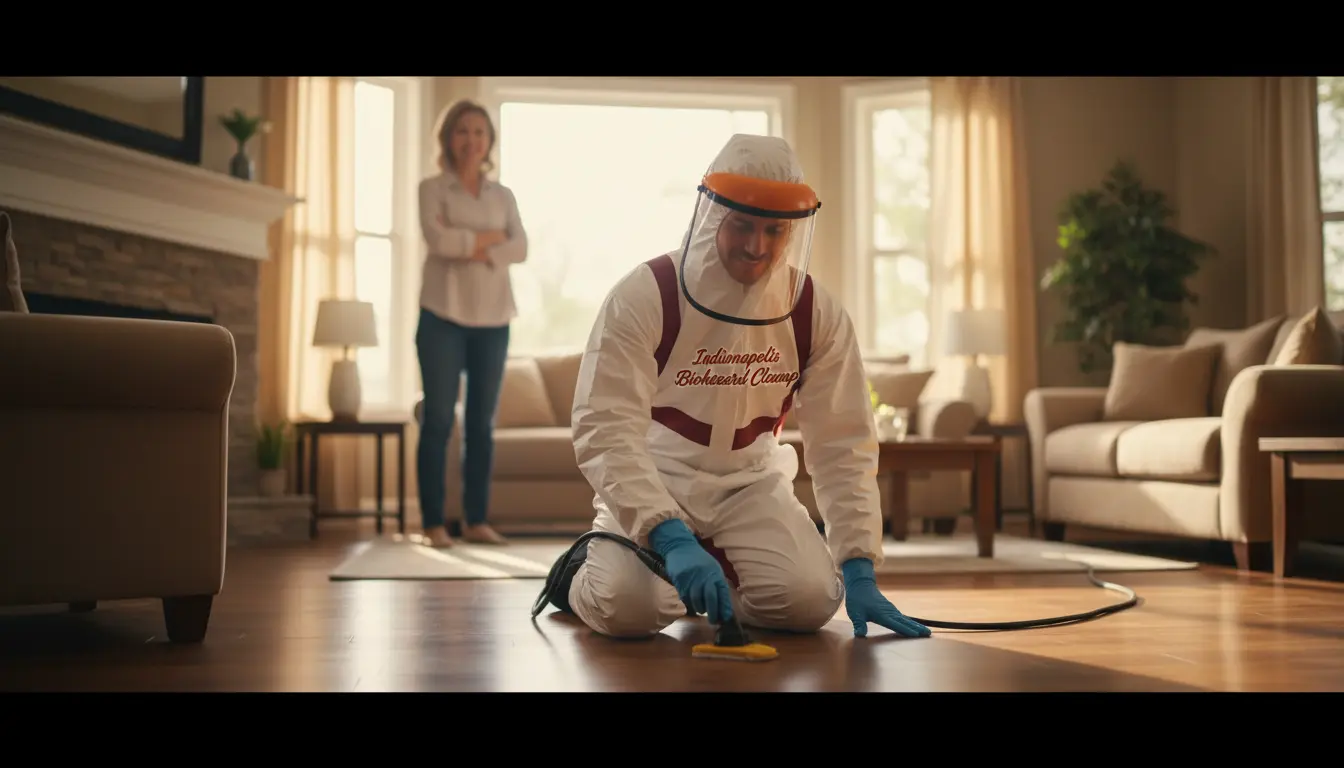
The technician pauses at the threshold, the faint, sweetly acrid scent of biological decay already seeping past the seal of his respirator. He checks the negative air machine’s gauge, noting the static pressure drop—a critical first sign that the containment zone is holding. In that moment, the clock starts, not just on the remediation, but on the property owner’s path back to normal life. This story begins not with a call, but with the unseen biology already at work in an Indianapolis home.
When a property owner in Indianapolis faces the aftermath of a traumatic event, an unattended death, or a severe biohazard situation, the first question is almost always, “How long will this take?” The answer, however, is rarely a simple number. It depends on a cascade of factors: the nature of the biohazard, the porosity of the building materials, the local climate conditions, and the specific regulatory requirements of Marion County. Understanding that timeline is crucial for managing expectations, coordinating with insurance, and beginning the emotional process of restoration.
Indianapolis Biohazard Cleanup operates with the precision of a forensic team, not a janitorial service. We adhere strictly to IICRC S540 standards and OSHA’s Bloodborne Pathogens Standard (29 CFR 1910.1030), ensuring every project, from a single-room blood cleanup to a full-structure decomposition, is handled with scientific rigor and compassionate discretion. This guide provides a professional, technical breakdown of the timelines involved, grounded in the realities of Indianapolis’s unique environment and our team’s extensive field experience.
The Initial Assessment
The timeline begins the moment our certified specialists arrive on site. This is not a walk-through; it is a structured risk assessment. We evaluate the scope of contamination using adenosine triphosphate (ATP) testing to identify biological residues invisible to the naked eye. This initial test, combined with a visual inspection of the affected area and an analysis of the building’s HVAC system, establishes the containment perimeter.
During this phase, we also assess material porosity. In many historic Midwestern residential structures, sub-flooring is often a mix of old-growth hardwood and newer plywood, each reacting differently to biological saturation. A property in a 1920s-era home in Meridian-Kessler will require a different approach than a modern apartment in Fountain Square. This diagnostic period typically takes two to four hours, but it is the most critical investment of time. Rushing this step is the single most common error we see property owners make, as it leads to incomplete remediation and recurring odors.
Containment and Safety Protocol: Setting the Stage
Once the assessment is complete, we establish a negative pressure containment zone. This involves sealing the area with heavy-gauge polyethylene sheeting and deploying industrial-grade negative air machines equipped with HEPA filtration. This is not a matter of convenience; it is a mandatory safety protocol to prevent airborne pathogens, including bloodborne pathogens like Hepatitis B and C, from migrating to unaffected parts of the structure.
In Indianapolis, where seasonal temperature fluctuations can affect building envelope integrity, we pay close attention to how these machines interact with the home’s existing HVAC system. A poorly sealed containment can actually draw contaminated air into ductwork, extending the project timeline significantly. This setup phase, which includes full personal protective equipment (PPE) protocol initiation for the crew, typically takes one to two hours. We never cut corners here, as cross-contamination prevention is the bedrock of professional remediation.
The Core Removal: Physical Decontamination
This is the most physically demanding phase and the one that most directly impacts the timeline. The team begins with the systematic removal of all visible biohazardous materials. This includes saturated carpeting, padding, drywall, baseboards, and any porous structural elements that have absorbed biological fluids. Our technicians use specialized forensic cleaning tools, including enzyme treatments that break down proteins at the molecular level, far beyond what household chemicals like bleach can achieve.
The total duration of this phase depends entirely on the square footage and depth of contamination. A small blood cleanup in a bathroom might take four to six hours, while an unattended death where decomposition has progressed over several days in a single bedroom can easily consume a full workday—eight to twelve hours. The Midwest’s varying humidity levels play a significant role here; high humidity accelerates the breakdown of tissue, driving biological matter deeper into porous substrates like hardwood and unpainted drywall. This often necessitates the removal of sub-flooring in areas that appeared superficially clean.
Chemical Sanitization and ATP Verification
After the physical removal, we apply EPA-registered hospital-grade disinfectants across all remaining surfaces. This is not a single pass. We apply the disinfectant using a fine-mist sprayer or electrostatic fogger, allowing a manufacturer-specified dwell time to ensure complete viral inactivation and bacterial containment. The chemical agents we use are chosen for their efficacy against a broad spectrum of bloodborne pathogens, including HIV, MRSA, and norovirus.
Following the initial application, we conduct a second round of ATP fluorescence testing. This test measures the presence of adenosine triphosphate, a molecule found in all living cells. A reading below a specific threshold indicates that biological residues have been eliminated. If a surface fails this test, it is re-treated. This iterative process of clean, test, and repeat is what differentiates professional remediation from standard cleaning. It typically adds two to four hours to the project, but it is non-negotiable for certification and safety.
Structural Repair and Odor Neutralization
Once the site is biologically clean, we shift to structural decontamination. This involves addressing the damage caused by the removal of materials. We may need to install new sub-flooring, drywall, and insulation. In Indianapolis, where many homes have older, lead-based paint or asbestos-containing materials, this repair phase can require coordination with licensed abatement contractors, adding another layer to the timeline.
Odor removal is a concurrent process. We deploy ozone generators or hydroxyl machines to neutralize volatile organic compounds (VOCs) produced by decomposition. These machines are run in cycles and must be carefully monitored, as ozone can damage certain materials like rubber and electronics. The duration depends on the severity of the odor penetration. A property that has been closed up during a hot, humid Indianapolis summer will require more aggressive and prolonged treatment than one with fresh contamination. This phase typically spans four to eight hours for most projects.
Data Comparison Table
| Feature/Metric | Professional Biohazard Remediation | Standard Residential Cleaning |
|---|---|---|
| Regulatory Compliance | OSHA 29 CFR 1910.1030, IICRC S540, EPA waste disposal | No biohazard-specific compliance |
| Pathogen Elimination | EPA-registered hospital-grade disinfectants + ATP testing | Household cleaners (e.g., bleach, ammonia) |
| Structural Assessment | Full porosity analysis, sub-floor replacement, HEPA vacuuming | Surface-level cleaning only |
| Containment | Negative pressure zones, HEPA-filtered negative air machines | None; risk of cross-contamination to entire structure |
| Waste Disposal | Authorized biohazard waste stream, incineration | Standard trash or dumpster (illegal for biohazard) |
Source: IICRC S540 Trauma and Crime Scene Cleanup Standard
Expert Insights
Diagnostic Tip 1: Detecting Hidden Biological Seepage
Many property owners assume that if a surface looks clean, it is clean. This is a dangerous misconception. Biological fluids can wick into drywall and wood up to six inches beyond the visible stain, especially in porous materials. Our specialists use a moisture meter and an ATP swab to map the full extent of contamination. If you are not testing below the surface, you are leaving a reservoir of pathogens that will eventually become a microbial remediation problem.
Diagnostic Tip 2: Why Porous Materials Must Be Replaced, Not Cleaned
Carpet padding, mattress foam, and drywall are inherently porous. Once saturated with blood, tissue, or other biological matter, they cannot be effectively sanitized. The disinfectant cannot reach the inner fibers. Attempting to clean these materials is a waste of time and money, and it creates a long-term health hazard. The only correct approach is removal and replacement, followed by a full sanitization of the underlying sub-floor.
Diagnostic Tip 3: The Importance of Negative Pressure
Without negative pressure, airborne pathogens circulate freely. This is particularly critical in multi-story homes or apartments where air currents from an HVAC system can spread contamination to every room. Our negative air machines create a pressure differential that forces air from the clean zones into the contaminated zone, where it is HEPA-filtered before being exhausted outside. This prevents cross-contamination and protects the rest of the building and its occupants.
Common Mistakes Property Owners Make
One of the most frequent errors is using household bleach on biological matter. Bleach is inactivated by organic material and actually denatures proteins, making them harder to remove. It also releases toxic fumes when mixed with bodily fluids. Another mistake is waiting for the odor to dissipate naturally. By the time an odor is detectable, biological decomposition is already well underway, and the pathogens are airborne. A third error is allowing untrained friends or family to enter the site. This not only exposes them to bloodborne pathogens but also compromises the chain of evidence and can lead to long-term health risks and structural damage.
Pricing
- Standard site mobilization fees cover travel, initial assessment, containment setup, and all PPE. These typically range from a few hundred to over a thousand dollars depending on location and urgency.
- Hourly remediation rates vary based on the complexity of the job, with standard rates for a certified crew reflecting the specialized training and equipment required. Projects involving extensive structural material replacement or challenging access will incur higher costs.
- Itemized costs for specialized disposal of biohazardous materials, including incineration of contaminated waste, are calculated by total waste volume. This is a regulated expense and cannot be avoided.
Three primary factors influence cost. First, the extent of structural material replacement required—removing and replacing drywall, sub-flooring, and insulation is labor-intensive and material-heavy. Second, the total volume of biohazardous waste drives disposal fees. Third, the necessity for specialized HVAC decontamination, which may involve cleaning or replacing ductwork, adds significant time and material expense. Always request a written estimate that itemizes these components.
Safety & Standards
We operate under the strictest safety protocols. All technicians are trained in accordance with OSHA’s Bloodborne Pathogens Standard 29 CFR 1910.1030, which mandates the use of PPE, proper disposal procedures, and a written exposure control plan. We also follow the IICRC S540 Standard for Trauma and Crime Scene Cleanup, which provides a framework for technical cleaning, including containment, removal, and verification.
Our waste is transported by authorized waste management services to a licensed incinerator. This is not a matter of convenience; it is a legal requirement under both federal and Indiana state law. Improper disposal of biohazardous waste can result in significant fines and endangers public health. For property owners in Indianapolis, these standards provide peace of mind that the site is safe for future occupants, and we will provide certification of completion upon request.
Frequently Asked Questions
How long does unattended death cleanup typically take in Indianapolis?
A standard unattended death cleanup, where decomposition has been contained to a single room, usually takes one to two full days. The first day is dedicated to containment, removal, and initial chemical sanitization. The second day covers ATP verification, structural repairs, and odor neutralization. However, if the death occurred in a multi-story home or if the HVAC system has been compromised, the project can extend to three or four days.
Can I clean up an unattended death myself to save money?
We strongly advise against this. Unattended death scenes involve bloodborne pathogens such as Hepatitis B, Hepatitis C, and HIV, which can remain infectious for days. The process also requires knowledge of how to handle porous materials and proper disposal protocols. Without professional training and equipment, you risk personal infection, cross-contamination of your entire home, and legal liability. The cost of professional remediation is far lower than the cost of medical treatment or a failed insurance claim.
What is the most time-consuming part of an unattended death cleanup?
The removal of biological material from porous sub-flooring is almost always the longest phase. In Indianapolis, where many homes have hardwood floors laid over wooden joists, the biological fluid can seep deep into the wood grain. Our technicians must often cut out and replace large sections of sub-flooring, which involves demolition, debris disposal, and then reconstruction. This can add a full day to the timeline compared to a cleanup on a concrete slab.
How do seasonal conditions in the Midwest affect the timeline for unattended death cleanup?
Summer heat and humidity dramatically accelerate decomposition, which means the biological matter is more deeply embedded into porous materials. This requires more extensive removal and longer treatment periods. Conversely, winter conditions, especially ice storms and snow, can delay site access, particularly for homes on private roads or with steep driveways. Our crews are equipped to handle these conditions, but clients should be aware that a winter project may require extra mobilization time.
Professional Biohazard Remediation in Indianapolis
The question of how long a typical biohazard cleanup project takes is answered not by a clock, but by a commitment to thoroughness. From the initial shock of the event to the final verification of a safe, clean environment, every minute spent on professional remediation is an investment in health, safety, and property value. Indianapolis Biohazard Cleanup brings the full weight of industry certification, technical expertise, and local knowledge to every project, from blood cleanup in a downtown apartment to forensic restoration in a historic home.
Our team understands that this is a time of stress and uncertainty. We are here to guide you through the process, from the first call to the final certificate of clearance. When you choose us, you are choosing a partner who treats your property with the respect it deserves, ensuring that no matter how long the project takes, the result is complete, safe, and discreet. For immediate assistance or a detailed timeline estimate for your specific situation, contact Indianapolis Biohazard Cleanup today.