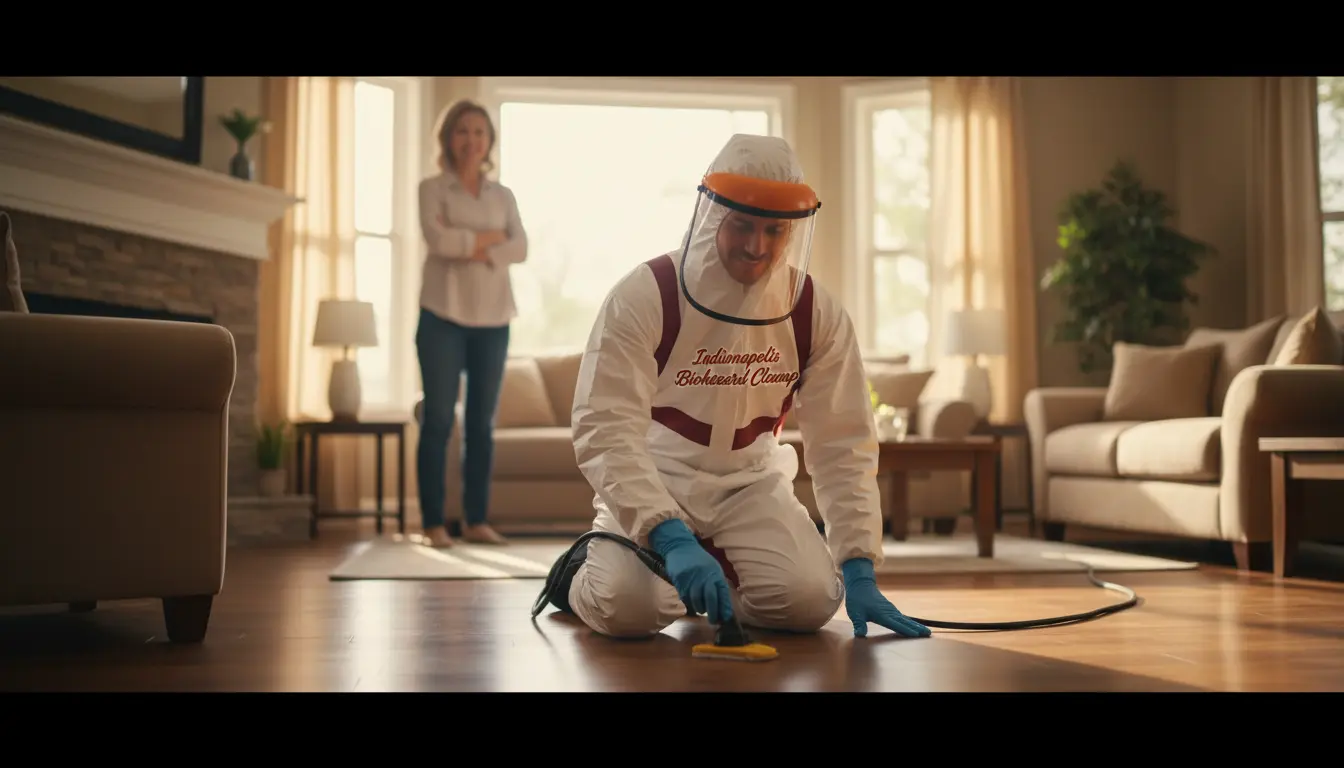
Biohazard cleanup services for homes in Broad Ripple and surrounding areas refer to the specialized, regulated process of removing, disinfecting, and restoring residential properties contaminated by biological hazards such as blood, bodily fluids, human remains, or pathogens. Unlike standard cleaning services, which focus on surface-level tidiness and general hygiene, biohazard remediation operates under strict federal and state protocols to eliminate health risks that are invisible to the naked eye. In Indianapolis, this distinction is critical because the aftermath of an unattended death, a violent incident, or a severe medical event often involves biological material that can seep into flooring, drywall, and HVAC systems, creating long-term hazards if not addressed properly.
The need for professional biohazard cleanup is not just about sanitation; it is about safeguarding the structural integrity of the home and the well-being of everyone who enters it. In neighborhoods like Broad Ripple, where many homes feature older wood subfloors and plaster walls, improper cleanup can lead to persistent odor issues and microbial growth that standard cleaning products cannot resolve. Indianapolis Biohazard Cleanup brings certified expertise, industrial-grade equipment, and a deep understanding of local building materials to ensure that every affected area is fully restored according to IICRC S540 standards.
What Professional Biohazard Remediation Entails in Indianapolis Homes
Professional biohazard remediation is a systematic, science-driven process that begins long before any cleaning solution is applied. The initial step is a comprehensive risk assessment of the affected area, which includes identifying all visible and hidden biohazards, evaluating the porosity of contaminated materials, and determining the scope of structural penetration. For example, in a Broad Ripple bungalow with hardwood floors, blood or decomposition fluid may have soaked through the surface and into the subflooring, requiring removal of both layers to prevent future bacterial growth.
Once the assessment is complete, the team establishes a containment zone using polyethylene sheeting and negative air machines. These machines create a pressure differential that prevents airborne pathogens from migrating to uncontaminated parts of the home. This step is especially important in Indianapolis, where homes often share ductwork between floors, and cross-contamination prevention is paramount. The team then dons full personal protective equipment, including Tyvek suits, N95 respirators, and chemical-resistant gloves, in compliance with OSHA Bloodborne Pathogens Standard 29 CFR 1910.1030.
Step-by-Step Remediation Workflow
The physical removal of biohazardous materials is the most labor-intensive phase. All items that cannot be effectively sanitized, such as carpet, padding, upholstery, and drywall, are carefully cut out, bagged in red biohazard waste bags, and prepared for incineration or medical waste disposal. For non-porous surfaces like tile, glass, or metal, the team applies an EPA-registered hospital-grade disinfectant with a dwell time sufficient to inactivate bloodborne pathogens, including hepatitis B, hepatitis C, and HIV. Adenosine triphosphate (ATP) testing is then performed using a handheld luminometer to verify that organic residue has been eliminated to below industry thresholds.
In cases where decomposition has progressed over days or weeks, as is common in unattended deaths during warmer months, the odor becomes a significant challenge. Specialized enzyme treatments break down the proteins in bodily fluids that cause lingering smells, while ozone generators or hydroxyl machines are deployed to neutralize volatile organic compounds in the air. For homes in Broad Ripple with older plaster walls, the team may need to seal the affected areas with a specialized encapsulant to ensure that odors do not return with seasonal humidity changes.
Expert Insights on Hidden Risks and Diagnostic Techniques
Professional remediation specialists rely on advanced diagnostic methods to identify hazards that are not visible to the untrained eye. One key technique is the use of moisture meters and thermal imaging cameras to detect biological seepage behind walls or under flooring. In Indianapolis, where homes may have settled foundations or subfloor gaps, blood or other fluids can travel along joists and pool in areas far from the incident site. Detecting these hidden reservoirs early prevents mold growth and structural weakening over time.
Another critical insight is that porous materials such as drywall, insulation, and unsealed wood cannot be fully decontaminated. The porous structure provides microscopic spaces where pathogens can survive even after surface cleaning. For this reason, IICRC S540 mandates removal and replacement of any porous material that has come into direct contact with biohazards. Attempting to clean such materials almost always results in a false sense of safety and potential future health issues for occupants.
The application of negative air pressure is another non-negotiable step. Without it, airborne particles stirred up during the removal process can travel through open doorways or HVAC ducts, contaminating clean areas and exposing family members or restoration staff. In practice, this means setting up a dedicated exhaust system that vents filtered air directly outside, a measure that is rarely taken by general cleaning services.
Common Mistakes Property Owners Make
One of the most frequent errors is using household bleach to clean biological matter. While bleach is a strong disinfectant, it is inactivated by organic material such as blood or tissue, meaning it cannot kill pathogens on porous or soiled surfaces. Worse, bleach can cause chemical reactions that release toxic fumes when mixed with other cleaning agents. A second common mistake is waiting for the odor to dissipate naturally. In reality, the smell of decomposition indicates ongoing bacterial activity and the release of putrescine and cadaverine compounds, which can become trapped in fabric, wall cavities, and wood grain, persisting for months without proper treatment.
A third mistake is allowing untrained personnel, such as relatives or general contractors, into the site before remediation is complete. This not only risks their health through direct exposure to bloodborne pathogens but also creates legal liability for the property owner under OSHA’s bloodborne pathogens standard. In Indianapolis, where many properties are family-owned, the emotional urgency to clean up quickly often leads to these costly errors, making professional involvement essential from the first moment.
Understanding Pricing for Biohazard Cleanup Services
Pricing for biohazard cleanup services for homes in Broad Ripple and surrounding areas is structured transparently to reflect the complexity of each job. Standard site mobilization fees cover the transportation of equipment, the disposal of waste, and the initial risk assessment. Hourly remediation rates apply for the hands-on labor performed by certified technicians, which includes preparation, biohazard removal, disinfection, and final testing. These rates are higher than general cleaning because of the specialized training, insurance, and equipment required.
Several factors influence the total cost. The extent of structural material replacement is a primary driver; if subflooring, drywall, or insulation must be removed and replaced over a large area, costs increase proportionally. The total volume of biohazardous waste also matters, as medical waste disposal fees are calculated per pound and must be handled by licensed transporters. Finally, if the HVAC system has been contaminated, specialized decontamination involving duct cleaning and antimicrobial fogging will add to the scope of work. Indianapolis Biohazard Cleanup provides itemized estimates before work begins, ensuring there are no surprises.
Safety Standards and Certifications That Matter
Adherence to recognized safety standards is what separates a professional biohazard remediation company from a general cleaning service. The IICRC S540 standard, titled “Trauma and Crime Scene Cleanup,” provides a comprehensive framework for cleaning protocols, personal protective equipment, waste disposal, and documentation. Companies that follow this standard must have technicians who have passed the IICRC certification exam and stay current with continuing education. Similarly, OSHA’s Bloodborne Pathogens Standard 29 CFR 1910.1030 mandates specific training, exposure control plans, and the use of sharps containers and biohazard labeling.
These certifications are not just pieces of paper; they translate directly into safer outcomes for property owners. For example, a certified crew knows how to handle a scene where syringes or broken glass are present, reducing the risk of needlestick injuries. They also maintain proper documentation for insurance claims and legal proceedings, which is critical when the property is part of an estate or involved in a police investigation. In Indianapolis, where many homes are passed down through families, having a certified company handle the remediation ensures that the property can be sold or occupied without lingering liability.
Frequently Asked Questions About Unattended Death Remediation
What makes unattended death cleanup different from other biohazard scenarios?
Unattended death cleanup involves a longer period of decomposition, which means the biological material has had time to break down into liquids and gases that penetrate deeply into building materials. The process of liquefaction creates a high volume of fluid that can soak through carpets, flooring, and even into concrete slabs. Additionally, the odor associated with decomposition is much stronger and more persistent than that from a fresh incident, requiring advanced odor control techniques such as ozone treatment and thermal fogging. The emotional toll on family members is also greater, making discreet and compassionate service a priority.
How soon after an unattended death should remediation begin?
Remediation should begin as soon as the coroner releases the scene. In Marion County, this usually occurs within 24 to 48 hours of the body’s removal. Delaying the process allows biological fluids to spread further and odors to infiltrate deeper into the structure. In the summer, when Indianapolis temperatures reach the 90s, decomposition accelerates, making prompt action even more critical. A delay of even a few days can turn a localized cleanup into a full-scale structural restoration project.
Can I stay in my home during the remediation process?
In most cases, it is not safe or advisable to remain in the home during active remediation. The use of negative air machines, chemical disinfectants, and the disruption of biohazardous material creates an environment that can expose occupants to airborne pathogens and chemical vapors. For homes in Broad Ripple where the affected area is isolated to one room, the team may be able to seal off that zone, but it is generally recommended that residents stay elsewhere until the final ATP test confirms the area is safe. Indianapolis Biohazard Cleanup always provides clear guidance on occupancy during the project.
Will my homeowner’s insurance cover the cost of remediation?
Many standard homeowner’s insurance policies have provisions for biohazard cleanup, particularly if the incident was accidental or unexpected. However, coverage varies widely based on the specific policy and the circumstances of the death. It is important to contact your insurance provider as soon as possible and request a copy of your policy’s language regarding “pollutant cleanup” or “biological hazard removal.” Indianapolis Biohazard Cleanup can provide detailed documentation and itemized invoices to support your claim, but the property owner is responsible for verifying coverage in advance.
What happens to the biohazard waste after removal?
All biohazardous waste is placed in red, marked bags and transported by a licensed medical waste disposal company to a facility where it is incinerated at high temperatures. This process destroys all pathogens and renders the waste inert. The disposal company provides a manifest that tracks the waste from the job site to the incinerator, creating a chain of custody that satisfies regulatory requirements. In Indianapolis, this waste is typically processed at a permitted medical waste facility within the state, ensuring compliance with Indiana Department of Environmental Management rules.
Professional Biohazard Remediation in Indianapolis
When a home in Broad Ripple or any surrounding Indianapolis neighborhood requires biohazard cleanup, the choice of service provider directly affects the safety, value, and future livability of the property. Professional remediation goes beyond surface cleaning to address hidden biological hazards, structural damage, and airborne contaminants that standard methods cannot handle. By following IICRC S540 protocols, using EPA-registered disinfectants, and employing advanced diagnostic tools, certified teams ensure that every affected area is restored to a safe, odor-free condition. Indianapolis Biohazard Cleanup combines technical expertise with a respectful approach, recognizing the difficult circumstances that bring families to seek these services. For property owners facing the aftermath of an unattended death, violent incident, or hazardous medical event, relying on trained professionals is the most practical and responsible decision.