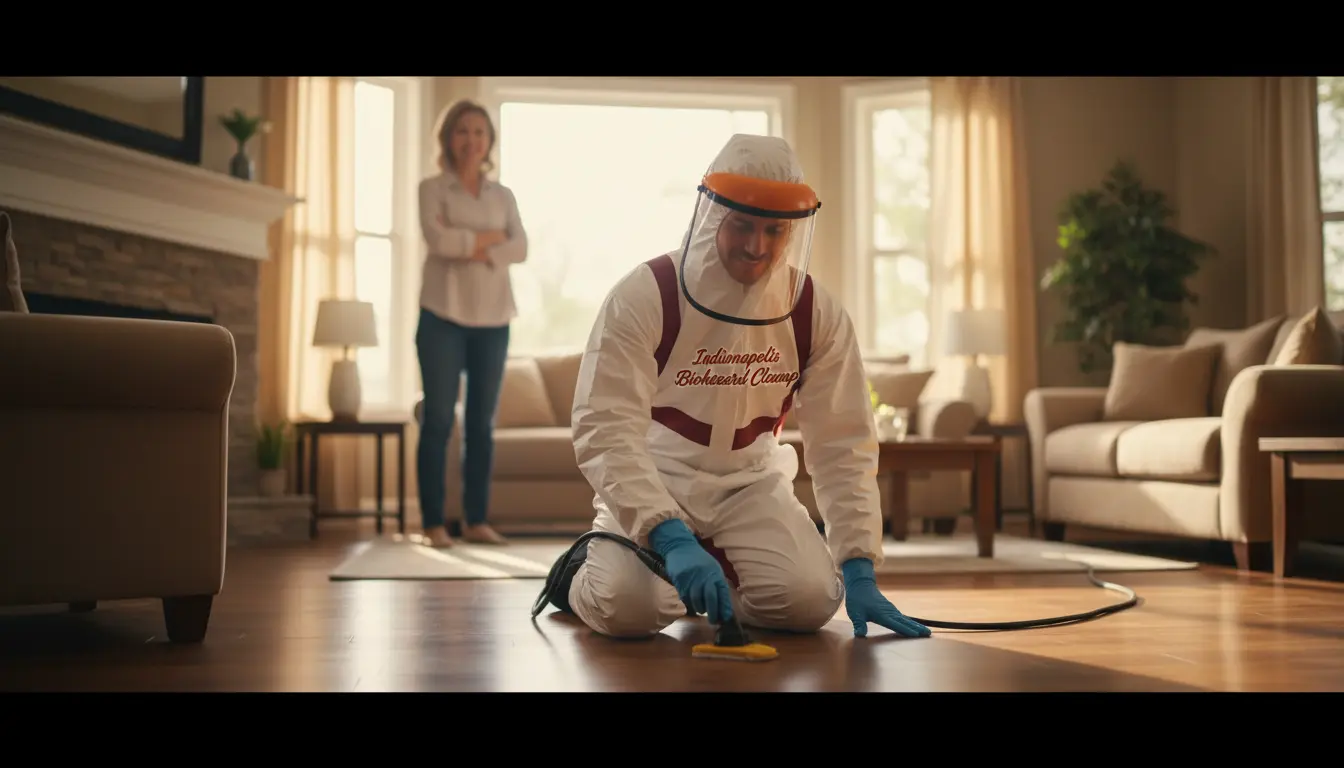
Professional biohazard remediation in Indianapolis is not a task for general janitorial services or well-meaning family members. The process requires specialized training, industrial-grade equipment, and a thorough understanding of bloodborne pathogens, cross-contamination prevention, and structural decontamination. In a city with a mix of historic homes from the early 1900s and modern suburban developments, the challenges vary significantly. Older properties often feature porous materials like plaster, lath, and unsealed wood that trap biological fluids and odors, demanding advanced extraction and encapsulation techniques. Newer buildings, while less porous, can still suffer from hidden contamination behind drywall and under flooring, especially when the incident occurs in a finished basement or a room with wall-to-wall carpet. For property owners, the decision to hire a certified specialist is not just about compliance with local regulations; it is about protecting the health of occupants, preserving property value, and ensuring that the site is safe for future use.
Indianapolis Biohazard Cleanup stands as the premier, discreet, and authoritative provider in the region, offering services that align with OSHA, EPA, and IICRC S540 standards. Our team brings years of experience in forensic restoration, microbial remediation, and trauma scene cleanup, handling every case with the technical rigor required to mitigate risk and restore peace of mind. From initial assessment to final clearance testing, we follow a methodical approach that leaves no room for shortcuts or guesswork.
The Step-by-Step Technical Process of Professional Biohazard Remediation
The journey from a contaminated scene to a restored space begins with a comprehensive risk assessment. The team leader, equipped with a real-time monitoring device for airborne particulates, evaluates the extent of the contamination. This includes visual inspection, moisture mapping with a pinless moisture meter, and olfactory detection of volatile organic compounds from decomposition. In Indianapolis, where humidity levels can exceed 80 percent during summer months, the risk of accelerated microbial growth is high. The team must account for the fact that a body decomposing in a warm, humid environment releases fluids that seep into flooring, baseboards, and even the subfloor, creating a reservoir for pathogens like Staphylococcus aureus, Streptococcus pyogenes, and hepatitis B and C viruses. The initial assessment dictates the scope of work, including the number of personnel required, the type of PPE necessary, and the specific chemical agents needed for disinfection.
Once the assessment is complete, the team establishes a containment zone using polyethylene sheeting and negative air pressure units. These negative air machines create a vacuum that pulls contaminated air through HEPA filters, preventing airborne particles from migrating to unaffected areas of the property. This step is critical in multi-unit dwellings or homes where other family members continue to live. The team also sets up a decontamination corridor, where members remove and bag their PPE before exiting the workspace. This prevents cross-contamination and protects the surrounding environment.
The physical removal of biohazardous materials is the next phase. All porous materials that have come into contact with blood, bodily fluids, or decomposition byproducts must be removed and disposed of according to federal and state regulations. In Indianapolis, this means adhering to Indiana Department of Environmental Management guidelines for medical waste disposal. The team uses specialized tools such as oscillating saws for cutting drywall, pry bars for lifting baseboards, and scrapers for removing saturated carpet and padding. Each piece of removed material is double-bagged in red biohazard bags, labeled with the universal biohazard symbol, and stored in a secure, leak-proof container until it can be transported to a licensed medical waste incinerator.
Chemical Sanitization and ATP Testing
After the physical removal of contaminated materials, the team applies a two-step cleaning and disinfection process. First, a hospital-grade disinfectant with a broad-spectrum kill claim is applied to all hard, non-porous surfaces. This disinfectant must have a contact time of at least 10 minutes to ensure viral inactivation and bacterial elimination. The team uses electrostatic sprayers to achieve even coverage, especially in corners, crevices, and behind appliances. Following the disinfection, an adenosine triphosphate (ATP) test is conducted. ATP testing measures the presence of organic material on a surface by detecting adenosine triphosphate, a molecule found in all living cells. A reading below 10 relative light units on a calibrated luminometer indicates that the surface is biologically clean. This objective, science-driven approach replaces subjective visual inspection and provides verifiable proof of decontamination.
The final step in the technical process is structural encapsulation. For areas where porous materials cannot be removed, such as concrete slabs or brick walls, the team applies a specialized enzyme treatment that breaks down residual organic matter at a molecular level. This is followed by a polymer-based sealant that locks in any remaining odor-causing compounds and prevents future microbial growth. In Indianapolis, where freeze-thaw cycles can cause concrete to crack and absorb moisture, encapsulation is particularly important for preventing long-term structural issues and recurring odor problems.
Expert Insights: Advanced Diagnostic Tips for Remediation Specialists
Experienced remediation specialists rely on subtle indicators that are invisible to the untrained eye. One critical diagnostic technique involves using a thermal imaging camera to detect temperature differentials in flooring and walls. When biological fluids seep into porous materials, they create thermal signatures that differ from dry, unaffected areas. This allows the team to identify the full extent of contamination without cutting into walls unnecessarily. In a historic Indianapolis home with original hardwood floors, thermal imaging revealed that decomposition fluids had traveled 18 inches beyond the visible stain, requiring removal of additional planks to prevent future odor migration.
Another advanced insight involves the use of an air-sampling device to measure volatile organic compounds (VOCs) associated with decomposition. These VOCs, including putrescine and cadaverine, can linger in the air even after visible cleaning. A baseline reading before remediation provides a benchmark; a post-remediation reading should show a 95 percent reduction or more. If VOCs remain elevated, the team must re-evaluate the containment and cleaning strategy.
Finally, specialists understand that porous materials like drywall, carpet, and upholstered furniture cannot be adequately cleaned once saturated with biological fluids. The microscopic pores trap pathogens and organic matter, making chemical disinfection ineffective. Replacement is the only safe option. In contrast, non-porous surfaces like glass, metal, and sealed tile can be effectively cleaned and disinfected, provided the team uses the correct contact time and concentration of disinfectant.
Common Mistakes Property Owners Make and Their Consequences
One of the most frequent errors is using household bleach on biological matter. While bleach is a common disinfectant, it is inactivated by organic material such as blood, vomit, and feces. Applying bleach to a fresh stain can actually create a chemical reaction that releases hazardous fumes, including chlorine gas. Moreover, bleach does not kill all pathogens, including the hepatitis C virus, and it can damage porous surfaces, making them more absorbent and harder to clean in the future.
Another mistake is waiting for odors to dissipate naturally. Decomposition odors are caused by a complex mixture of gases, including hydrogen sulfide, methane, and ammonia. These gases can penetrate walls, insulation, and flooring, and they may persist for months or even years if the source is not fully removed. In one Indianapolis case, a family attempted to mask the odor with air fresheners for two weeks before calling a professional. By that time, the odor had migrated into the HVAC system, requiring comprehensive duct cleaning and replacement of sections of insulation.
Allowing untrained personnel into a contaminated site is perhaps the most dangerous error. Family members, friends, or general contractors who enter without proper PPE risk exposure to bloodborne pathogens, which can lead to chronic infections like hepatitis B or C. In addition, their movement can spread contamination to other parts of the property, increasing the scope and cost of the remediation.
Pricing Structure for Biohazard Remediation Services
Professional biohazard remediation is an investment in safety and property preservation. While prices vary based on site-specific factors, understanding the general cost structure helps property owners plan accordingly.
- Standard site mobilization fee: This covers the cost of dispatching a trained team, including travel time, fuel, and setup of containment equipment. In Indianapolis, mobilization fees typically range from $300 to $600, depending on the distance from the service provider and the time of day (emergency call-outs after hours may incur an additional charge).
- Hourly remediation rate: The bulk of the cost is labor, billed at an hourly rate per team member. A standard team consists of two to four technicians and a supervisor. Rates in the Indianapolis area range from $150 to $250 per hour per technician. A typical unattended death scene requiring full subfloor replacement and structural decontamination can take 8 to 16 hours, resulting in a labor cost between $2,400 and $8,000.
- Specialized biohazard waste disposal fees: Medical waste disposal is heavily regulated. The cost includes the purchase of certified biohazard bags, leak-proof containers, and transportation to a licensed incineration facility. Disposal fees are typically calculated by weight or by the container, ranging from $200 to $800 per 30-gallon container. A moderate-sized scene may generate two to four containers.
Three primary factors influence the total cost: the extent of structural material replacement required, the total volume of biohazardous waste, and the necessity for specialized HVAC decontamination. For example, a scene in a finished basement with carpet and drywall will cost more than a scene in a room with vinyl flooring and painted concrete walls. Similarly, if the decomposition has spread to the HVAC system, additional work for duct cleaning and filter replacement adds $500 to $1,500 to the total.
Safety Standards and Certifications
The foundation of safe biohazard remediation lies in adherence to established standards. Indianapolis Biohazard Cleanup maintains certification under the IICRC S540 Standard for Trauma and Crime Scene Cleanup, which provides a comprehensive framework for cleaning, disinfection, and restoration. This standard requires that all technicians complete formal training in bloodborne pathogens, hazardous materials handling, and advanced cleaning techniques.
OSHA’s Bloodborne Pathogens Standard (29 CFR 1910.1030) is the regulatory backbone for protecting workers from exposure to hepatitis B, hepatitis C, HIV, and other pathogens. The standard mandates the use of universal precautions, which means treating all blood and bodily fluids as if they are infectious. Our team follows this standard rigorously, wearing full Tyvek suits, nitrile gloves, face shields, and respirators with P100 filters. In addition, all team members receive the hepatitis B vaccination series and undergo annual training on exposure control.
Beyond federal regulations, we coordinate with authorized medical waste management services that hold permits from the Indiana Department of Environmental Management. These services ensure that biohazard waste is transported, tracked, and incinerated in compliance with state laws. We also maintain a comprehensive chain-of-custody document for each waste container, providing property owners with proof of proper disposal.
For property owners, these certifications and protocols translate into measurable protection. The risk of disease transmission from a contaminated scene is real, and the legal liability for improper disposal can be significant. By hiring a certified specialist, you eliminate these risks and gain peace of mind that the site is safe for future occupancy.
Frequently Asked Questions About Unattended Death Remediation
What are the health risks of attempting to clean an unattended death scene without professional help?
Exposure to bloodborne pathogens is the most immediate health risk. Blood and bodily fluids from a deceased person can carry hepatitis B, hepatitis C, HIV, and other viruses that survive for hours or days outside the body. In addition, the decomposition process releases bacteria and fungi that can cause respiratory infections, skin irritation, and gastrointestinal illness. Without proper PPE, training, and disinfection, anyone entering the scene is at risk. For example, a single exposure to hepatitis B through a cut on the hand has an infection rate of up to 30 percent if the individual is not vaccinated. Beyond personal health, improper cleaning can leave behind pathogens that infect future occupants, including children, elderly residents, or immunocompromised individuals.
How long does it take for decomposition odors to penetrate building materials?
Decomposition odors can begin to penetrate porous materials within 24 to 48 hours after death, depending on temperature and humidity. In a warm environment, such as a home without air conditioning during an Indianapolis summer, the process accelerates. Bodily fluids seep into drywall, wood flooring, carpet padding, and even concrete within the first week. After two weeks, the gases have typically migrated into the HVAC system and can be detected in adjacent rooms. Professional remediation is the only way to fully remove these odors because household cleaning products cannot break down the molecular compounds responsible. Our team uses ozone generators, hydroxyl generators, and thermal fogging in combination with physical removal to neutralize odors at the source.
Is it necessary to replace flooring and drywall after an unattended death?
In most cases, yes. Porous materials that have been in direct contact with bodily fluids or decomposition byproducts cannot be adequately cleaned. The microscopic pores trap organic matter, making it impossible to achieve the 99.99 percent pathogen reduction required for safety. If these materials are left in place, they can continue to emit odors, support microbial growth, and pose a long-term health risk. In a typical unattended death scene, the team removes all affected carpet, padding, baseboards, and drywall to at least 18 inches above the visible stain line. In some cases, the subfloor must also be removed if fluids have seeped through to the joists below. While this adds to the cost, it is the only way to restore the property to a safe, habitable condition.
How does the remediation process differ for a property that has been vacant for several months?
When a property has been vacant for an extended period, the decomposition process reaches advanced stages. The body may have skeletonized, and the surrounding materials have been exposed to months of microbial activity, insect infestation, and environmental degradation. In such cases, the remediation process becomes more complex. The team must first conduct a thorough assessment to identify all areas of contamination, which may include unexpected locations like crawl spaces, attics, or wall cavities where fluids have traveled. The removal phase is more extensive, often requiring the complete stripping of the affected room down to the studs and joists. In addition, the team must address secondary issues such as mold growth, pest infestation, and structural weakening caused by prolonged moisture exposure. The total timeline for remediation in a long-term vacant property can extend to several days, compared to one to two days for a recent death scene.
Professional Biohazard Remediation in Indianapolis
When an unattended death or other biohazard incident occurs in an Indianapolis property, the emotional weight on family members and property managers is immense. Our role at Indianapolis Biohazard Cleanup is to carry that burden with professionalism, discretion, and technical excellence. We understand that behind every scene is a story, and we approach each case with the respect it deserves. Our team is trained to work quietly and efficiently, minimizing disruption while ensuring that every trace of contamination is eliminated.
From the initial phone call to the final clearance report, we guide property owners through every step of the process. We provide transparent pricing, detailed documentation, and a commitment to safety that goes beyond regulatory minimums. Whether the property is a historic home in Irvington, a modern condominium in downtown Indianapolis, or a rental property in Broad Ripple, we apply the same rigorous standards to every job. Our goal is to restore the site to a condition that is safe, odor-free, and ready for its next chapter.
If you are facing a biohazard situation in Indianapolis, do not wait. Contact us today for a confidential consultation. Let our expertise bring you peace of mind and a professionally restored property. For more information on related services, explore our Blood Cleanup, Odor Removal, and Disinfection Services pages, or reach out to our team to discuss your specific needs. We are here to help.