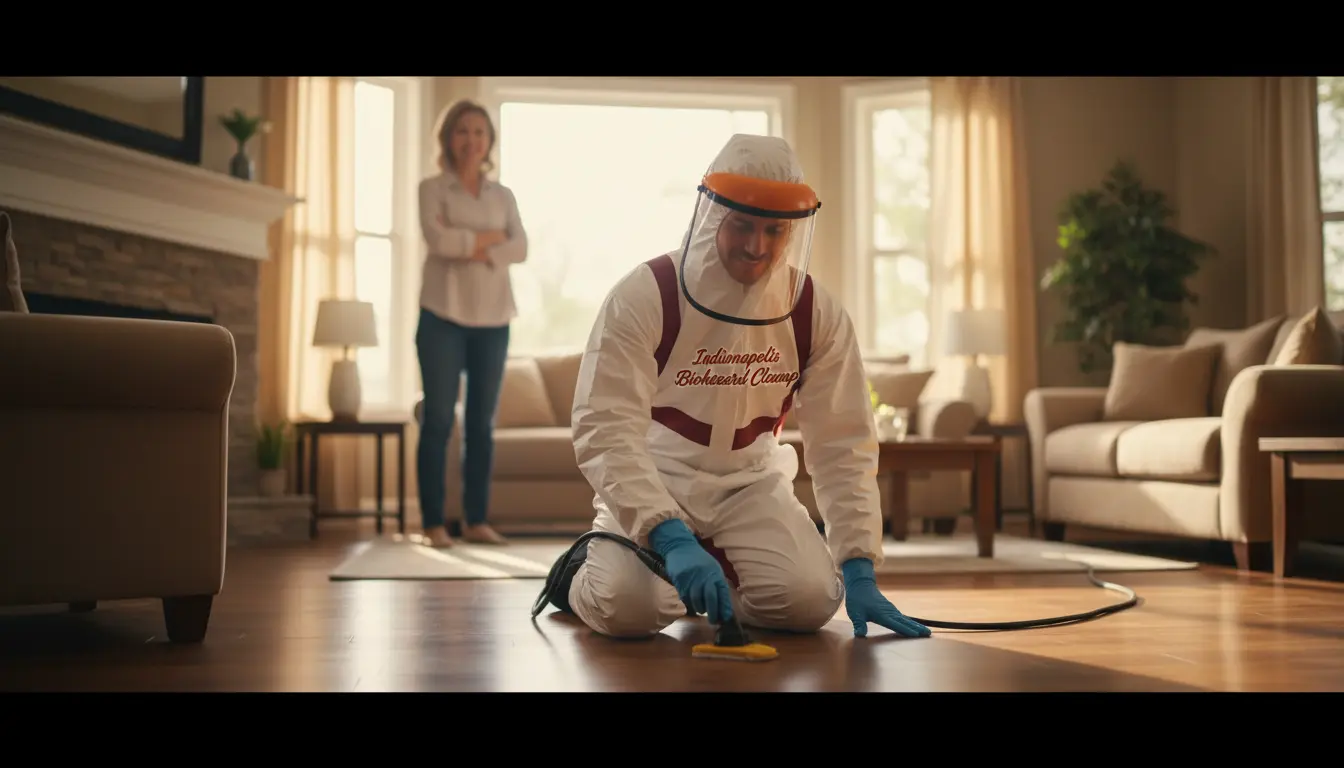
The prevailing wisdom in property restoration is that time is the enemy. For Indianapolis homeowners facing the aftermath of a biohazard event, the conventional advice is to act fast—call a crew, get the space cleaned, move on. While speed has its place, the most critical factor determining a successful, safe, and compliant outcome isn’t speed; it is the depth of the initial assessment and the rigor of the technical process that follows. Rushing a biohazard cleanup in an Indianapolis residential setting, particularly in older homes with porous subflooring and complex HVAC systems, frequently leads to hidden contamination, persistent odors, and costly secondary damage that a measured, science-based approach would have prevented.
This pricing guide for 2026 exists to counter the notion that you can simply compare hourly rates. The true cost of Indianapolis biohazard cleanup is dictated by a series of technical decisions, regulatory requirements, and local environmental factors that most property owners never consider. Understanding these variables is the difference between a site that is truly restored to habitable condition and one that remains a silent health risk. As a certified senior remediation specialist operating under IICRC S540 standards, I can tell you that the cheapest quote is almost never the most cost-effective one when factoring in long-term liability and property value retention.
The Technical Process: Why Indianapolis Conditions Demand a Custom Protocol
Professional biohazard remediation is not a cleaning service; it is a forensic restoration process. The workflow begins with a comprehensive risk assessment that evaluates the scene’s characteristics. For an unattended death in a Midwestern home, the technician must first identify the biological scope—blood, bodily fluids, and tissue decomposition byproducts. The next step is establishing a containment zone using negative air machines equipped with HEPA filtration. This prevents airborne pathogens from migrating to unaffected areas of the home, a critical step given the shared ductwork common in Indianapolis bungalows and historic properties.
The physical removal of biohazardous material is performed by technicians in full personal protective equipment following OSHA’s Bloodborne Pathogens Standard (29 CFR 1910.1030). All porous materials that have been saturated—carpet, padding, drywall, insulation—are removed and disposed of in accordance with Indiana state regulations for medical waste. The remaining structural surfaces are then cleaned using EPA-registered hospital-grade disinfectants with verified contact times for pathogen inactivation. An ATP fluorescence test follows to confirm that biological contamination has been reduced to safe levels. For sites where decomposition has progressed significantly, specialized enzyme treatments are applied to break down organic residues that can seep into wood and concrete, neutralizing odors at the molecular level.
Indianapolis’s seasonal climate introduces unique challenges that directly impact the technical protocol. High summer humidity accelerates bacterial growth and odor production, while winter ice can delay site access and require specialized equipment to thaw and dry affected areas. Spring rains can increase moisture levels in basements, complicating microbial remediation efforts. These local variables mean that a standard cleaning protocol is insufficient; the remediation plan must be adjusted to account for the specific environmental conditions present during the service window.
Professional Remediation vs. Standard Cleaning: A Data Comparison
The distinction between a certified biohazard remediation company and a general janitorial service is not just a matter of equipment; it is a matter of compliance, safety, and outcome. The table below highlights the critical differences across several key metrics.
| Feature/Metric | Professional Biohazard Remediation | Standard Residential Cleaning |
|---|---|---|
| Regulatory Compliance | Follows OSHA 29 CFR 1910.1030, IICRC S540, and local Indiana waste disposal laws | No specialized regulatory framework for biohazards |
| Pathogen Elimination | Uses EPA-registered hospital-grade disinfectants with verified contact times; confirmed by ATP testing | Household cleaners or bleach; no verification of pathogen kill |
| Structural Assessment | Identifies hidden biological seepage and material saturation; recommends removal of porous items | Cleans visible surfaces only; does not assess for hidden contamination |
| Odor Remediation | Uses enzyme treatments and ozone or hydroxyl generators to neutralize odors at the molecular level | Masking agents only; does not eliminate the source |
| Waste Disposal | Follows Indiana Medical Waste Management Program for proper incineration or treatment | Disposal in standard trash, creating a public health risk |
This comparison makes clear that the cost of a professional remediation service includes not just labor but the assurance that the site is safe for future occupancy. A standard cleaning crew lacks the training, equipment, and legal framework to handle biohazardous waste, leaving property owners exposed to health risks and potential legal liability.
Expert Insights: Advanced Diagnostic Tips for Indianapolis Property Owners
Understanding the signs of hidden contamination can help you make informed decisions when engaging a remediation service. These three diagnostic tips are what certified specialists use to ensure a thorough restoration.
Detecting Hidden Biological Seepage
Biological fluids can migrate through porous materials like drywall, wood, and concrete. A professional uses a moisture meter and thermal imaging camera to detect areas of saturation that are invisible to the naked eye. In older Indianapolis homes with lath and plaster walls, this seepage can travel laterally, requiring removal of wall sections far from the original incident. If a cleaning crew simply wipes down the visible area, the contamination remains and continues to decompose, leading to persistent odors and potential health hazards.
Why Porous Materials Require Replacement
A common mistake property owners make is assuming that a strong cleaning product can salvage a contaminated carpet or mattress. The reality is that biological matter penetrates the fibers and the backing, making complete disinfection impossible. The IICRC S540 standard mandates that any porous material saturated with blood or bodily fluids must be removed and disposed of. Attempting to clean these items not only fails to eliminate pathogens but can also trap moisture, promoting mold growth and further structural damage.
The Importance of Negative Pressure
During remediation, a negative air machine is used to create a pressure differential that prevents airborne contaminants from spreading to other parts of the home. This is particularly important in Indianapolis properties with forced-air heating and cooling systems, which can distribute pathogens and odors throughout the house within minutes. Without proper containment, you risk cross-contaminating the entire structure, turning a single-room issue into a whole-home problem that is exponentially more expensive to fix.
Common mistakes property owners make include using household bleach on biological matter, which can actually fix proteins to surfaces and make them harder to remove, and waiting for odors to dissipate naturally, allowing decomposition to progress and contamination to spread. Allowing untrained personnel into the site creates a risk of disease transmission and compromises the chain of evidence if the event involves a crime scene.
Pricing Structures for Indianapolis Biohazard Cleanup in 2026
Pricing for professional biohazard remediation is not a flat rate; it is a function of the specific work required for each unique site. Below are the common pricing components you will encounter.
- Standard site mobilization fee: This covers the arrival of the response team, setup of containment zones, and initial assessment. In Indianapolis, this fee typically ranges from $250 to $500 depending on the time of day and urgency of the call. Emergency after-hours responses incur a premium.
- Hourly remediation rates: Most companies charge between $150 and $300 per hour per technician. A typical unattended death cleanup requires a team of two to four technicians working for four to eight hours, depending on the scope. The total labor cost can range from $1,200 to $9,600 before materials.
- Specialized disposal fees: Biohazardous waste must be transported and incinerated in accordance with Indiana Department of Environmental Management regulations. Disposal costs are often calculated per pound and can add $200 to $800 to the total bill, particularly for cases involving significant decomposition.
Three factors that most heavily influence cost are the extent of structural material replacement required, the total volume of biohazardous waste, and the necessity for specialized HVAC decontamination. A scene that has saturated subflooring and ductwork will be significantly more expensive than an incident contained to a non-porous surface. The presence of mold or prolonged decomposition adds additional complexity and cost.
Safety Standards and Certifications: Protecting Indianapolis Residents
Compliance with established safety standards is non-negotiable in biohazard remediation. The Occupational Safety and Health Administration’s Bloodborne Pathogens Standard (29 CFR 1910.1030) mandates specific training, personal protective equipment, and exposure control plans for any worker who may come into contact with human blood or other potentially infectious materials. A professional remediation company adheres to this standard to protect both its technicians and the property’s occupants from diseases such as HIV, Hepatitis B, and Hepatitis C.
The IICRC S540 standard for trauma and crime scene cleanup provides a comprehensive framework for the remediation process, from initial assessment to final verification. This standard requires the use of EPA-registered disinfectants, proper waste disposal, and post-cleaning testing to confirm that the site is safe. When you hire a company that follows S540, you receive a documented record of the work performed, which is critical for insurance claims and future property transactions.
Authorized waste management services are required to handle biohazardous materials. In Indiana, this means using a licensed medical waste transporter who will take the waste to a permitted treatment facility. Improper disposal can result in fines and environmental contamination, so ensuring your remediation company uses approved disposal methods is essential for compliance and public safety.
Frequently Asked Questions About Unattended Death Remediation in Indianapolis
What happens to the property after a body has been discovered after several days or weeks?
The decomposition process releases fluids and gases that penetrate porous materials like drywall, wood, and concrete. The remediation team must remove all affected materials, sanitize the structural surfaces, and treat the indoor air quality. In Indianapolis’s humid climate, this process is accelerated, and the risk of mold growth is significant. The goal is to eliminate all biological residues and odors to restore the property to a safe, habitable condition.
Can I stay in my home during the remediation process?
No. The containment zone and negative air pressure systems isolate the affected area, but it is not safe for occupants to remain in the home during active remediation. The use of strong disinfectants and the potential for airborne pathogens mean that you should vacate the property until the team has completed the work and verified that the air quality is safe. Your remediation company will advise you on the appropriate timeline for re-entry.
Will my homeowner’s insurance cover the cost of biohazard cleanup?
Many standard homeowner’s insurance policies include coverage for cleanup following an unattended death, but the specifics depend on your policy. It is crucial to contact your insurance provider as soon as possible to understand your coverage limits and any deductibles. A professional remediation company can provide documentation and an itemized estimate that supports your claim. Some policies also cover the cost of temporary housing during the remediation process.
How long does the remediation process take for a typical unattended death in an Indianapolis home?
The duration depends on the extent of the contamination and the size of the affected area. For a single room with minimal decomposition, the work can be completed in one to two days. For a more extensive scene that requires removal of subflooring, drywall, and HVAC cleaning, the process can take three to five days. The team will provide a timeline during the initial assessment based on the specific conditions of your property.
Professional Biohazard Remediation in Indianapolis
Restoring a property after a biohazard event is a complex, technically demanding process that requires certified expertise, specialized equipment, and a compassionate approach. Indianapolis Biohazard Cleanup provides comprehensive services that adhere to the highest industry standards, ensuring that your property is safe, odor-free, and restored to its pre-incident condition. Our team is available 24/7 for emergency response throughout Marion County, and we work closely with insurance providers to streamline the claims process. When you choose us, you are choosing a partner committed to rigorous safety protocols and discreet, professional service. Contact Indianapolis Biohazard Cleanup today to schedule an assessment and take the first step toward restoring your property with confidence.